


Starting at 11:00 a.m. at the Fischerhaus on Schloßstraße in Altranft
Harvest Wreath Making at the Fischerhaus – Baking – Open Workshop – Exhibition Opening at the Bildersalon in the Castle
The traditional harvest wreath-making event will take place at the Fischerhaus between 11 a.m. and 3 p.m.
It’s more fun to make them together. The traditional Altranft association has mastered the art of harvest wreath-making and is happy to give guests at the Fischerhaus a glimpse into the intricacies of this craft. And we invite you, too, to join us in making harvest wreaths! Whether traditional or experimental, we look forward to seeing a wide variety of harvest wreaths. Please feel free to sign up at
info@oderbruchmuseum.de.
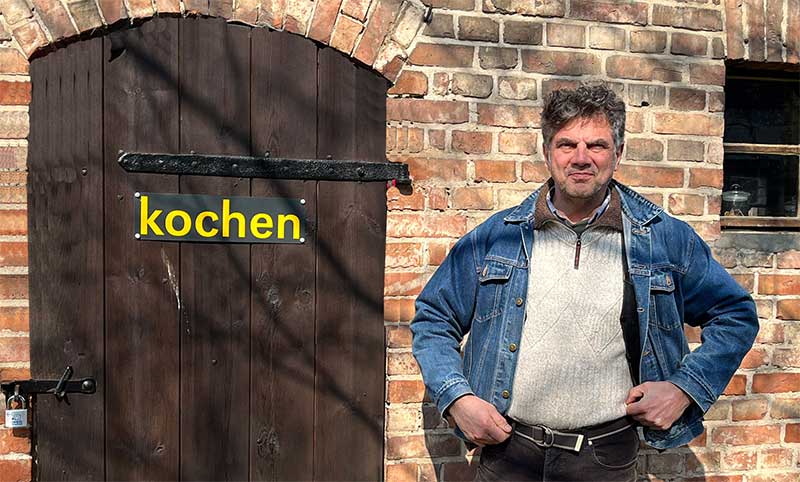
Kai Kreuzmann fires up the oven, and the cooking workshop with Fabio Fioresi is open for your own culinary experiments. Fabio will share recipes for fresh homemade pasta and tagliatelle in the traditional home-style of the Emilia-Romagna region in Italy. We’ll cook and eat together. The cooking workshop runs from 12:00 p.m. to 1:30 p.m. or from 2:00 p.m. to 3:30 p.m.
Cooking spaces are limited, so we recommend registering at:
m.buhmann@oderbruchmuseum.de
As always, there will be music at the Fisherman’s House. Musician Joanna Kordylewicz plays the medieval fiddle—a fascinating instrument that was found in 1985 in a city fountain in Plock, Poland, and is now being brought back to life after centuries of obscurity. The fiddle has an enchanting, archaic sound and embodies a rich history.
At 3:00 p.m., we will be presenting a new exhibition at the castle. In the Picture Gallery, under the title „Whole or Fraction – “From the Swamp to Bankruptcy? Between Species Extinction and Monoculture”: On view are photographs of paintings and installations, as well as sound and video works by Dana Bormann and Sander Bartel, all of which share a common conceptual framework. The two artists collaborate at the intersection of art, ecology, science, and social transformation. Especially since their engagement with the decline of the Oder River, they have been united by a shared interest in the land and life. At the heart of their work is the question of how landscape emerges, who owns it, who has control over it, and how a different relationship between humans, other life forms, and their shared habitats might be possible.
Her work explores biodiversity loss, species extinction, agriculture, animal husbandry, and land use, as well as the underlying historical, political, and economic structures. She combines artistic research, field observations, and scientific findings with painting, sound, video, and installation.
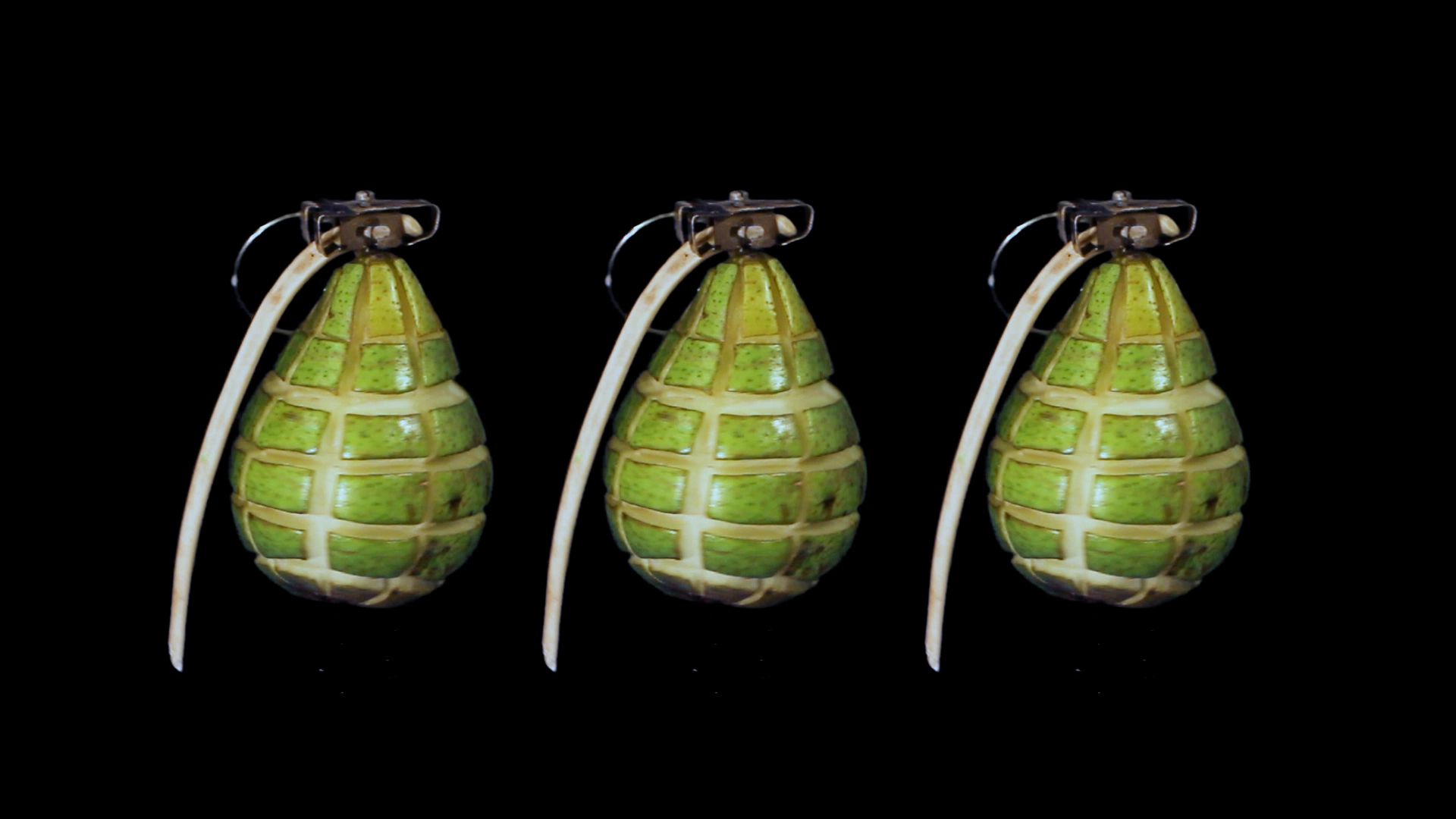
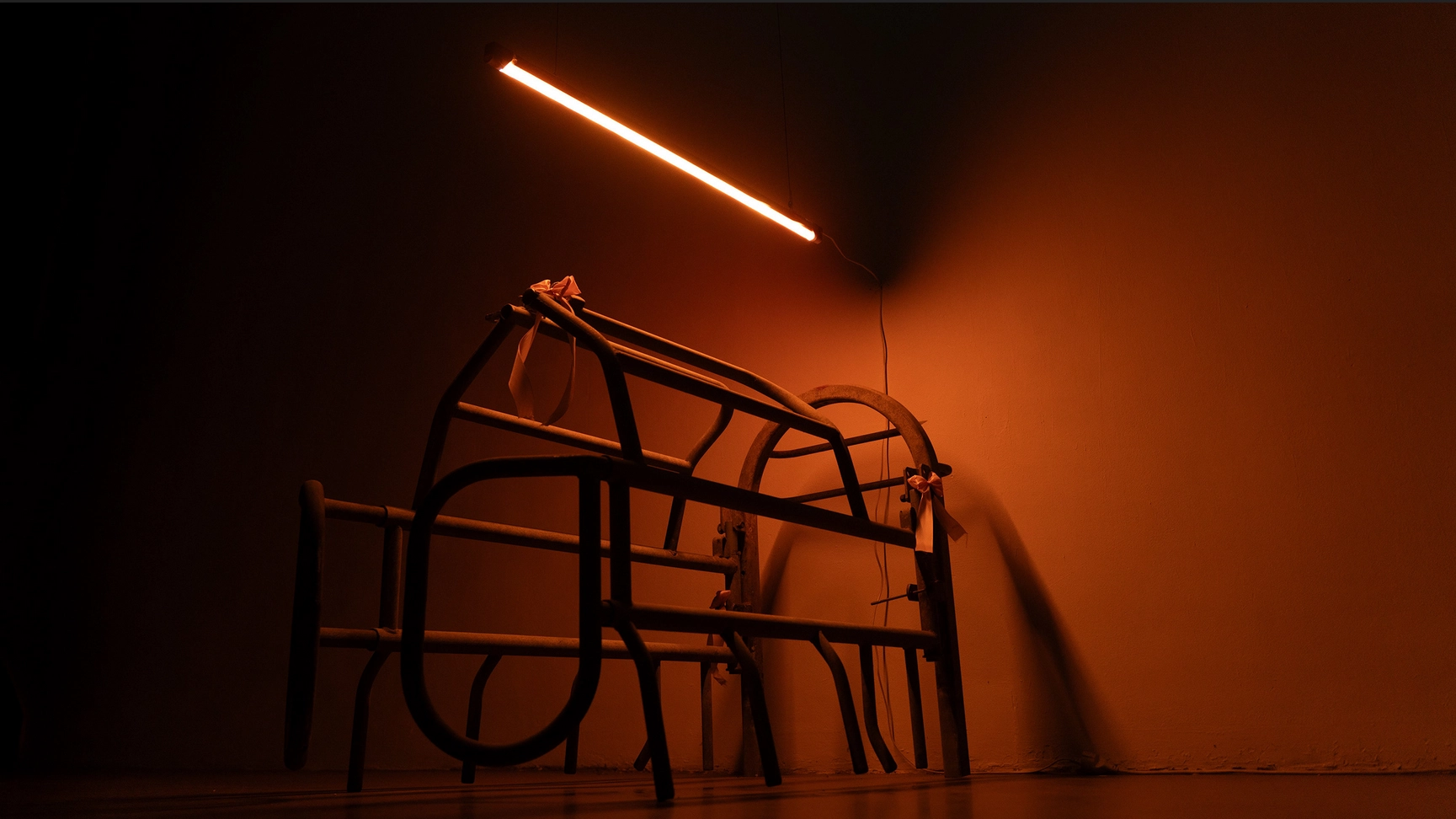
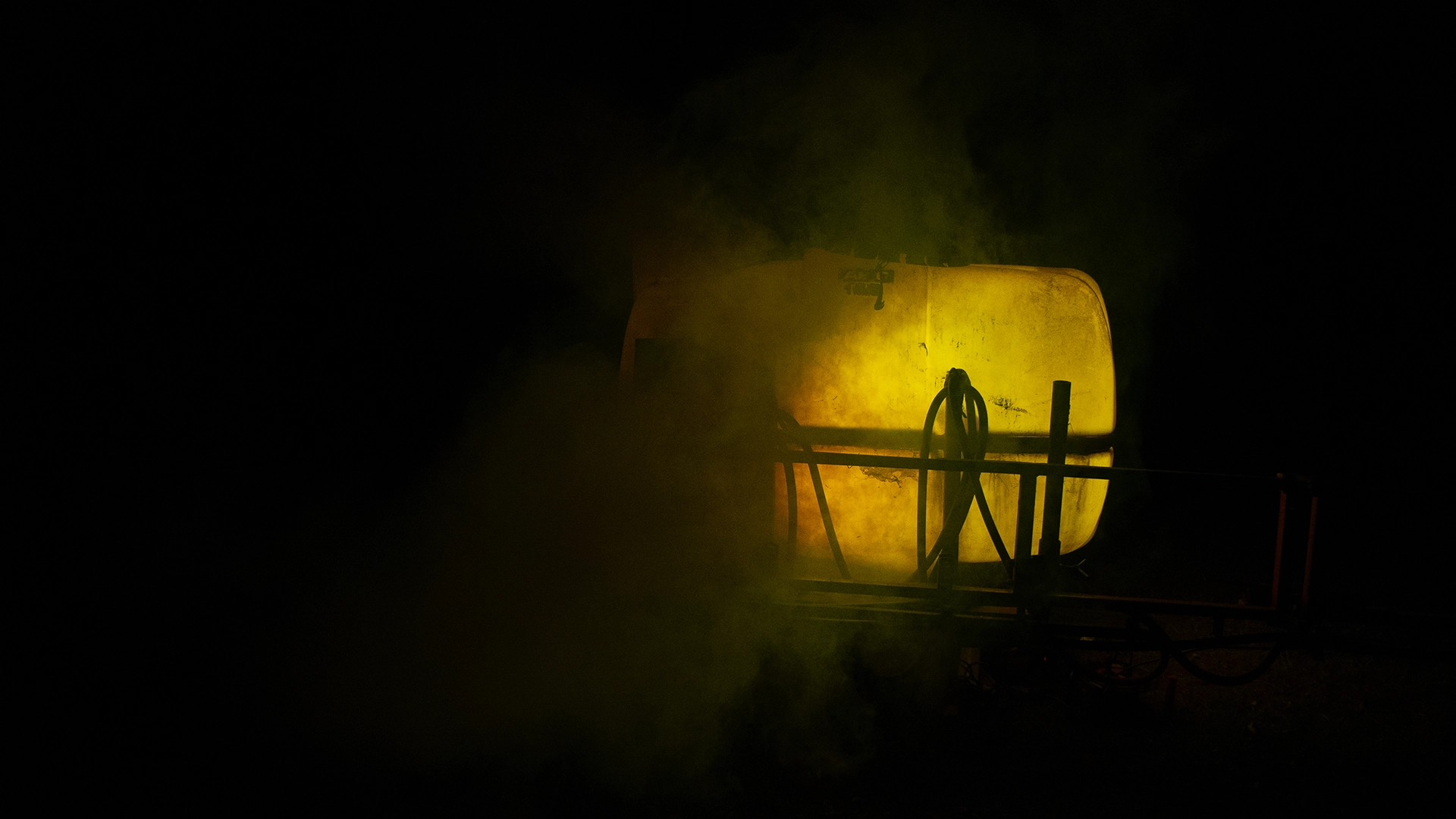
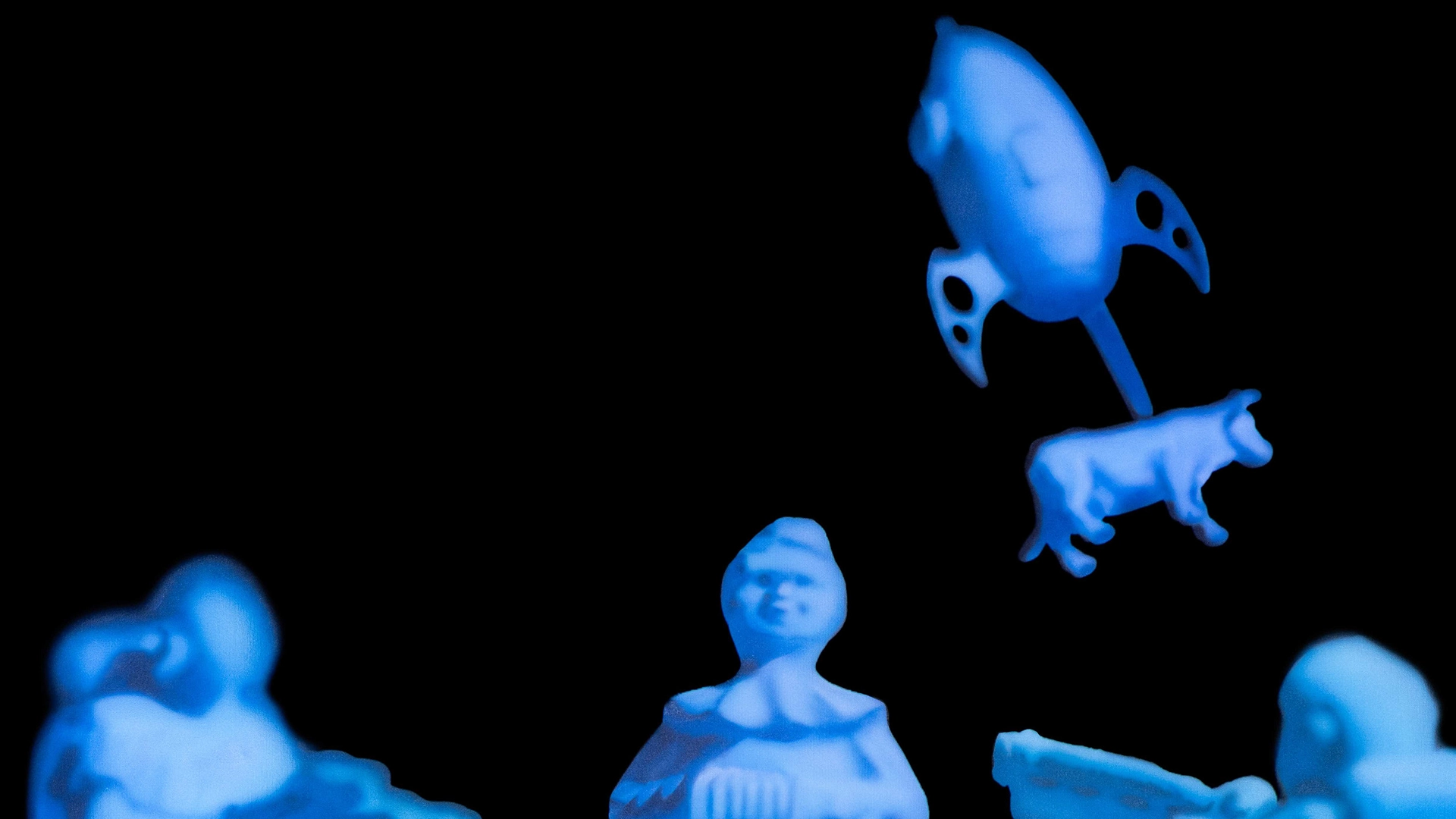
The four photographs taken by the artists give a sense of the works