

Summer Vacation at the Boberhaus in Letschin
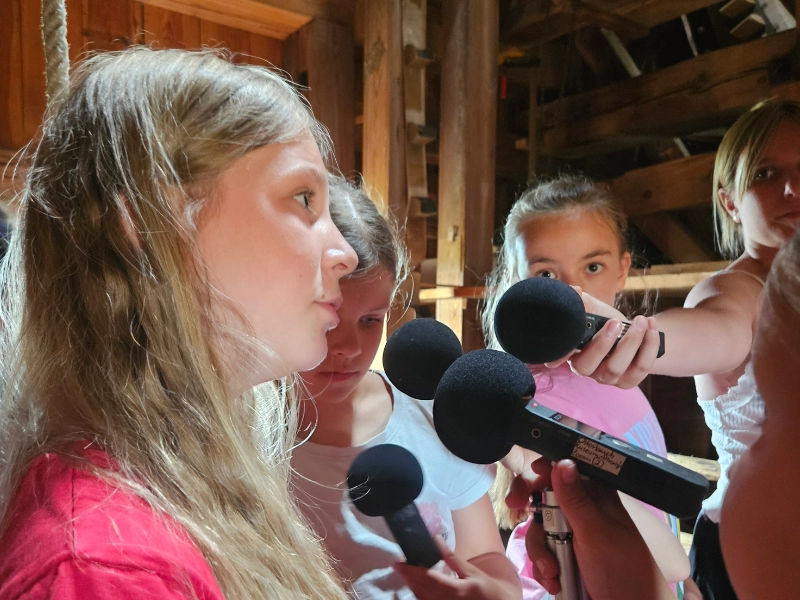
ENERGY: 1 Topic, 3 Days, 3 Cultural Heritage Sites: In this eventful summer workshop at the Boberhaus Letschin, we got to know three cultural heritage sites. First, we rode our bikes to the Wilhelmsaue post mill; the next day, we visited the Großneuendorf Cultural Harbor; and to wrap things up, Mr. Petrick from the Letschin Local History Museum stopped by. At all three sites, the children collected audio and photo recordings, looked for connections to the topic of ENERGY, and used them to create short stories. The results are now hidden inside small wooden cubes that we recently laser-cut at Digicampus Letschin. Starting in August, these cubes will be on display at the Oderbruch Museum.
Many thanks to the municipality of Letschin for its enthusiastic support of this project.
Wilhelmsaue windmill
„The post mill is creaky, old, and cool.“
How was grain ground into flour in the old days, without any electricity at all? The children bombarded Ms. Büttner with over 50 questions, and she took everyone on a journey back in time:
Photo Story
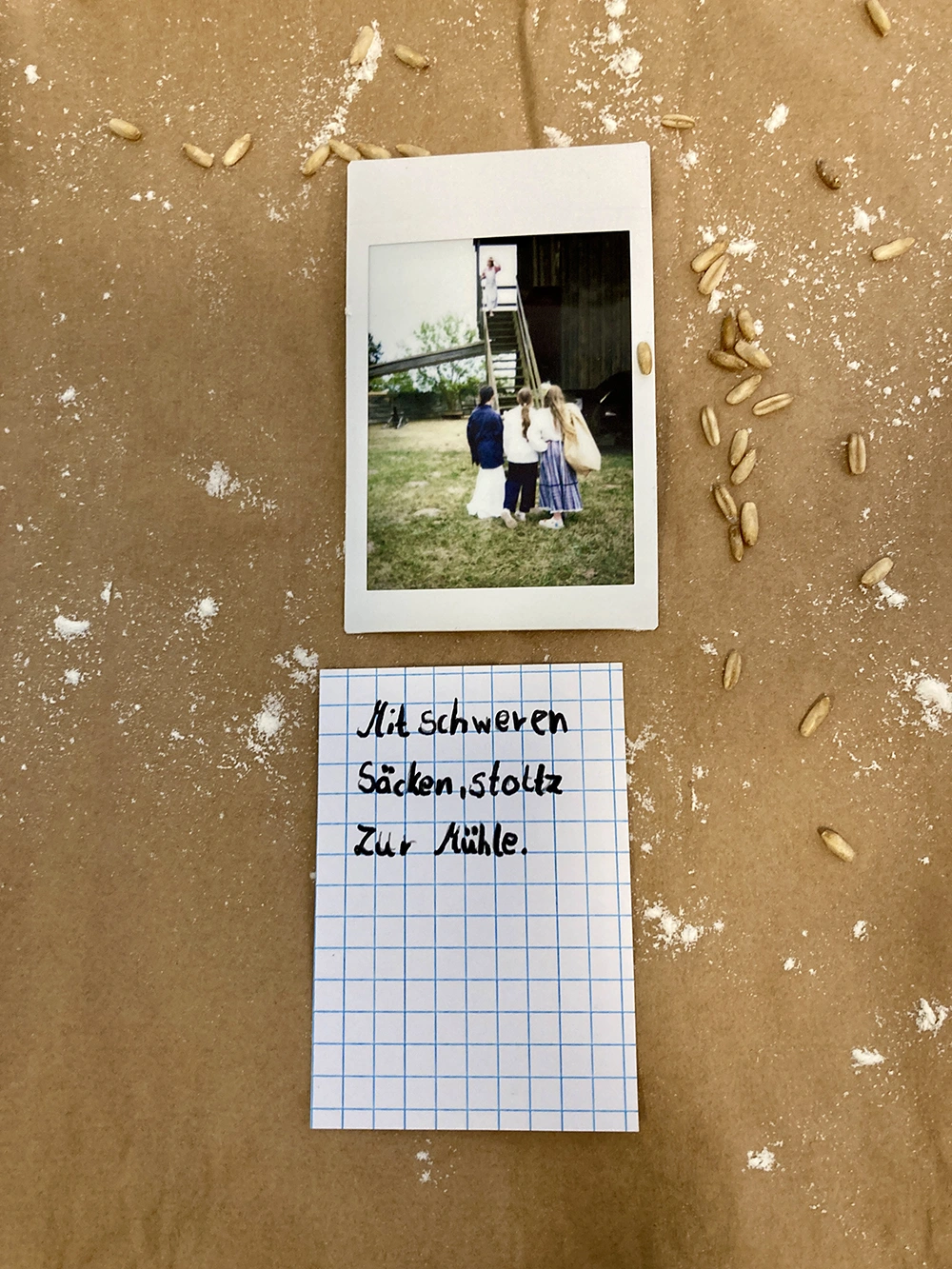
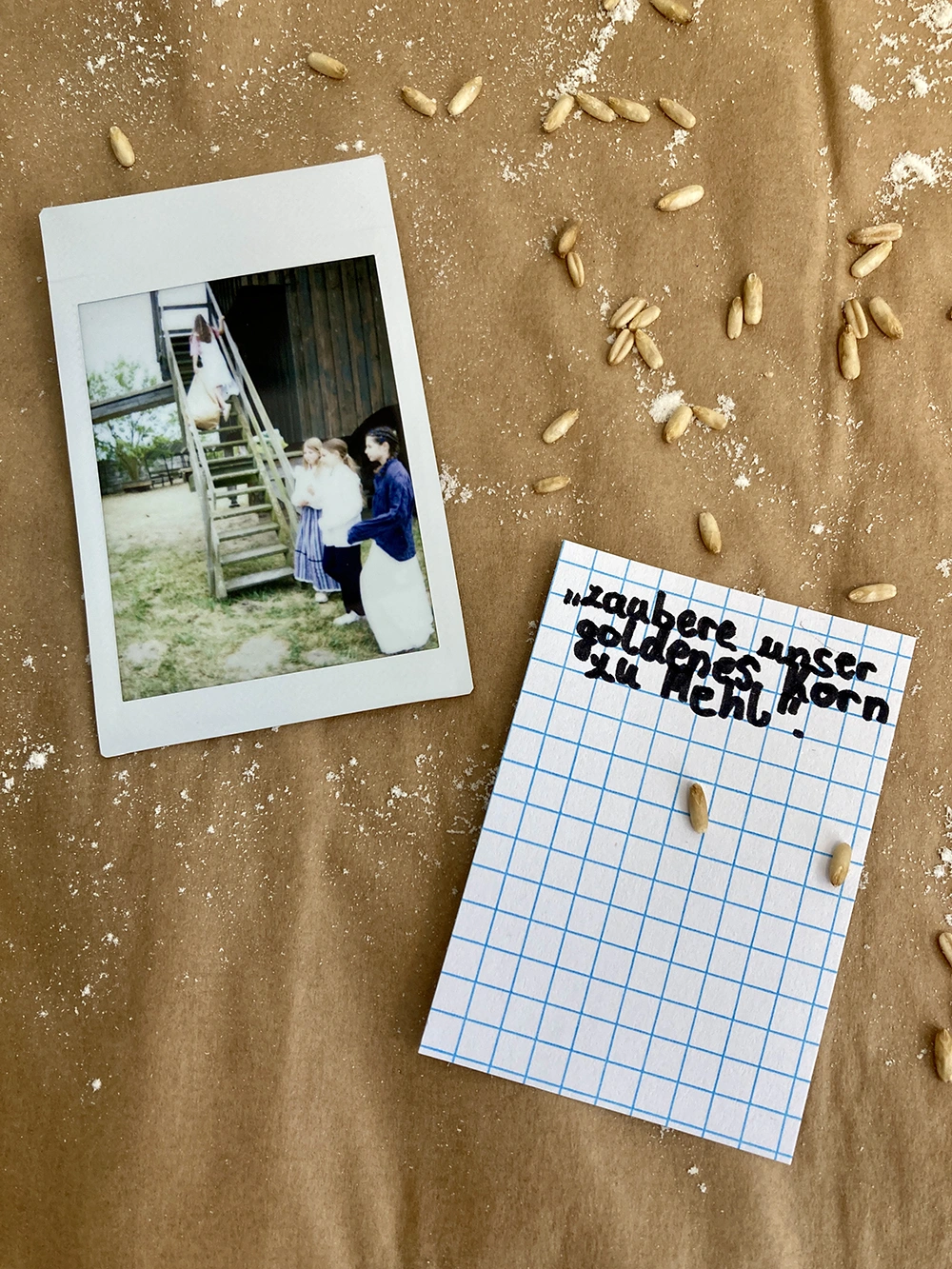
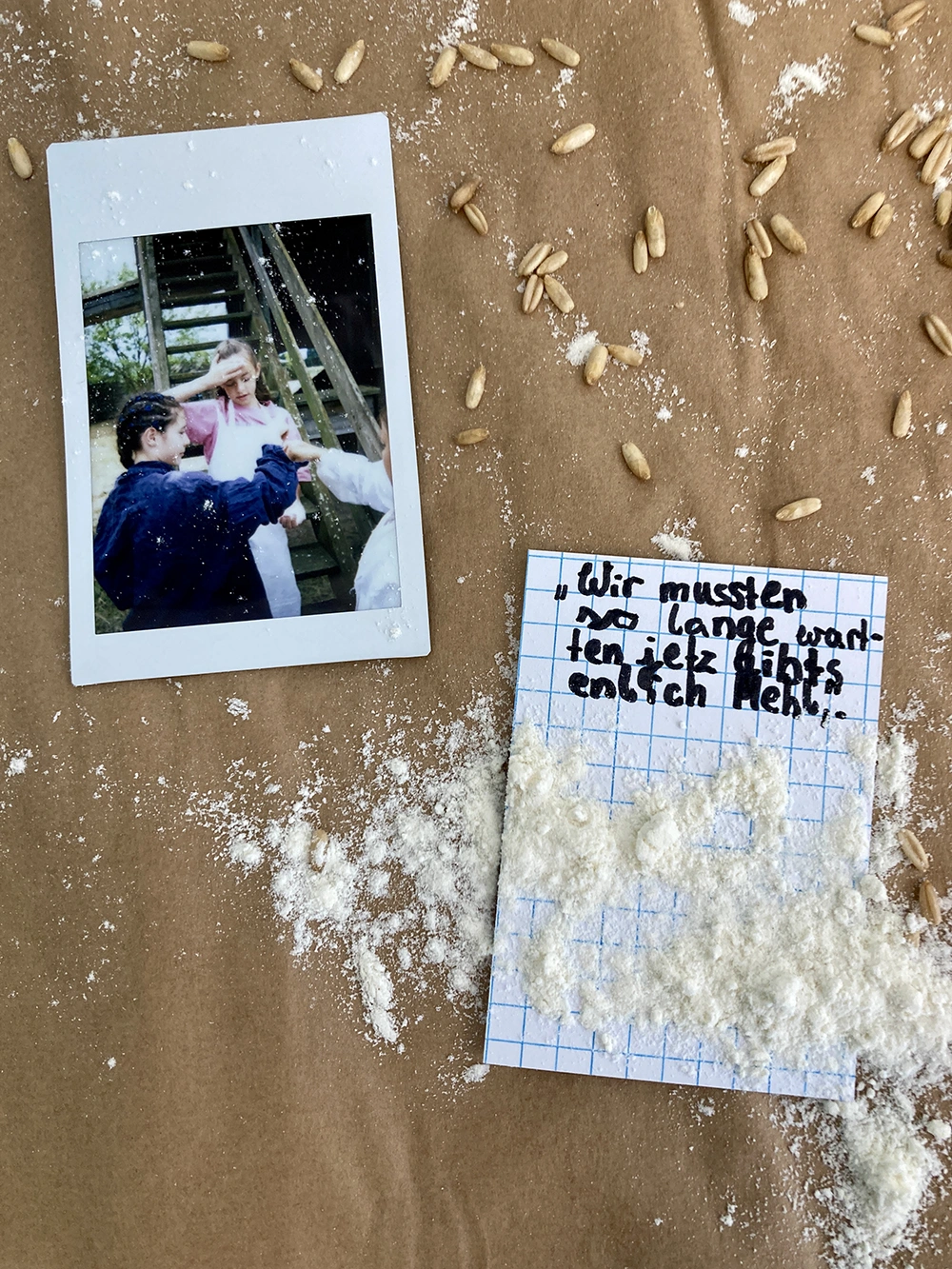
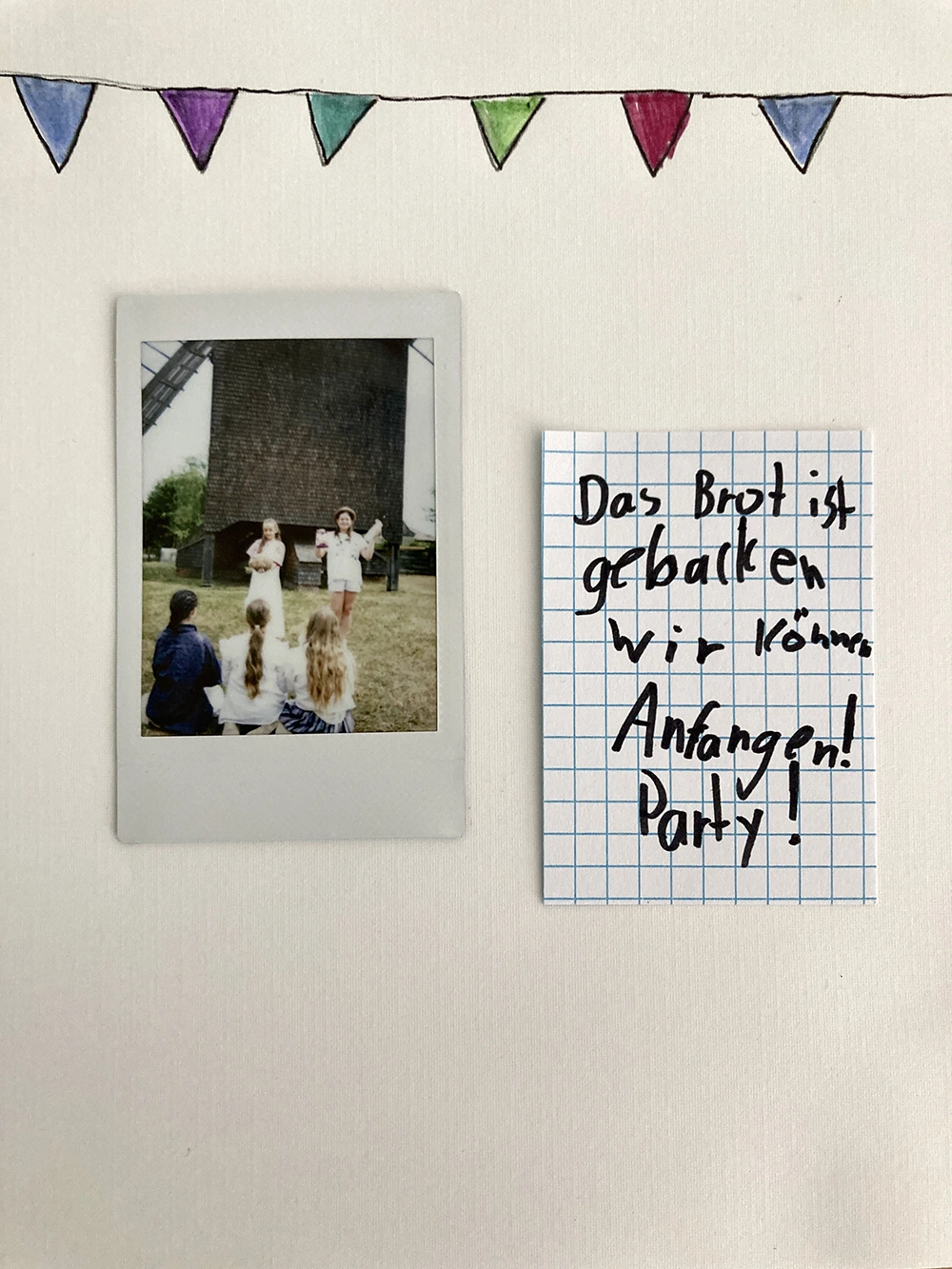
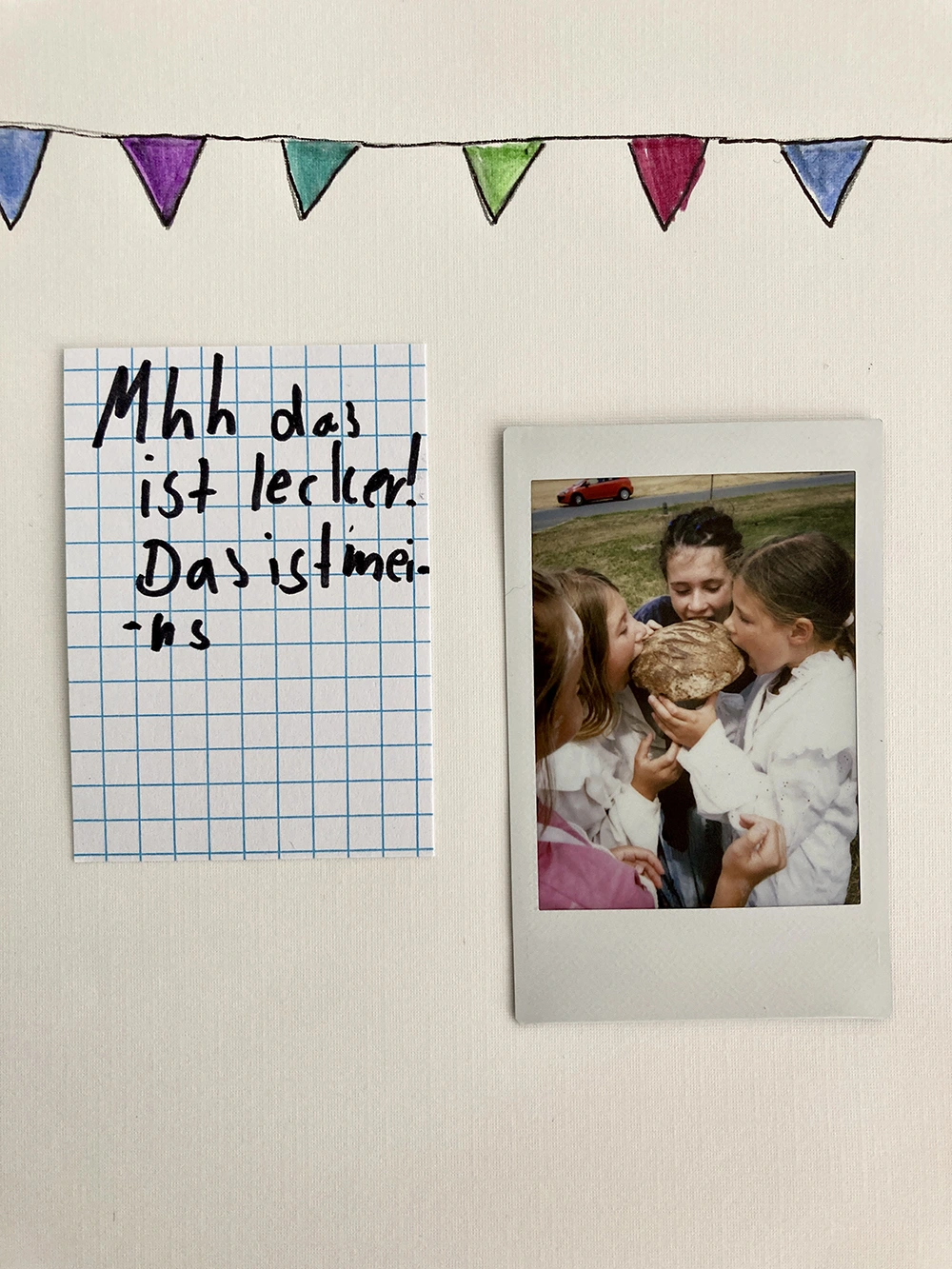
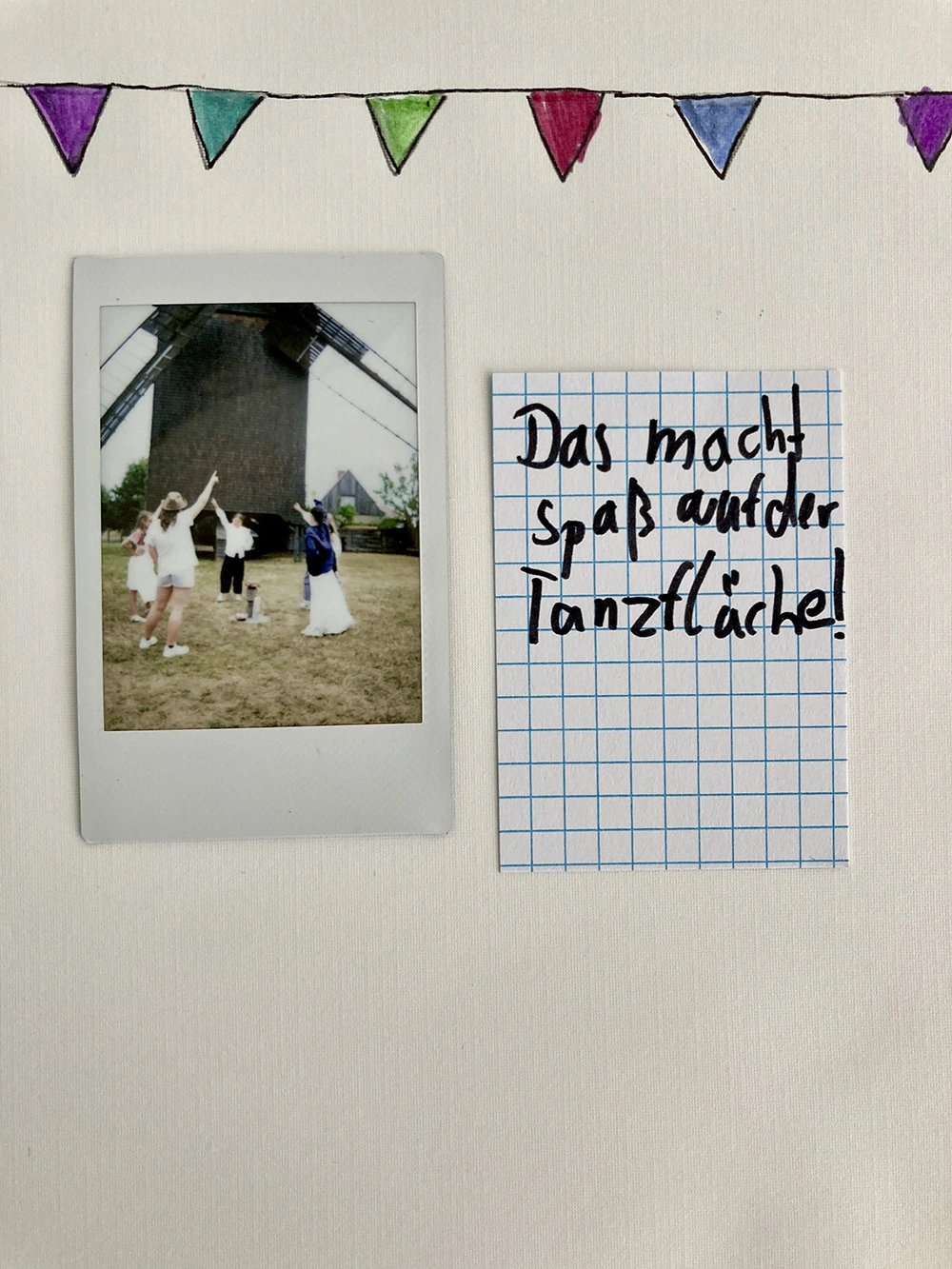
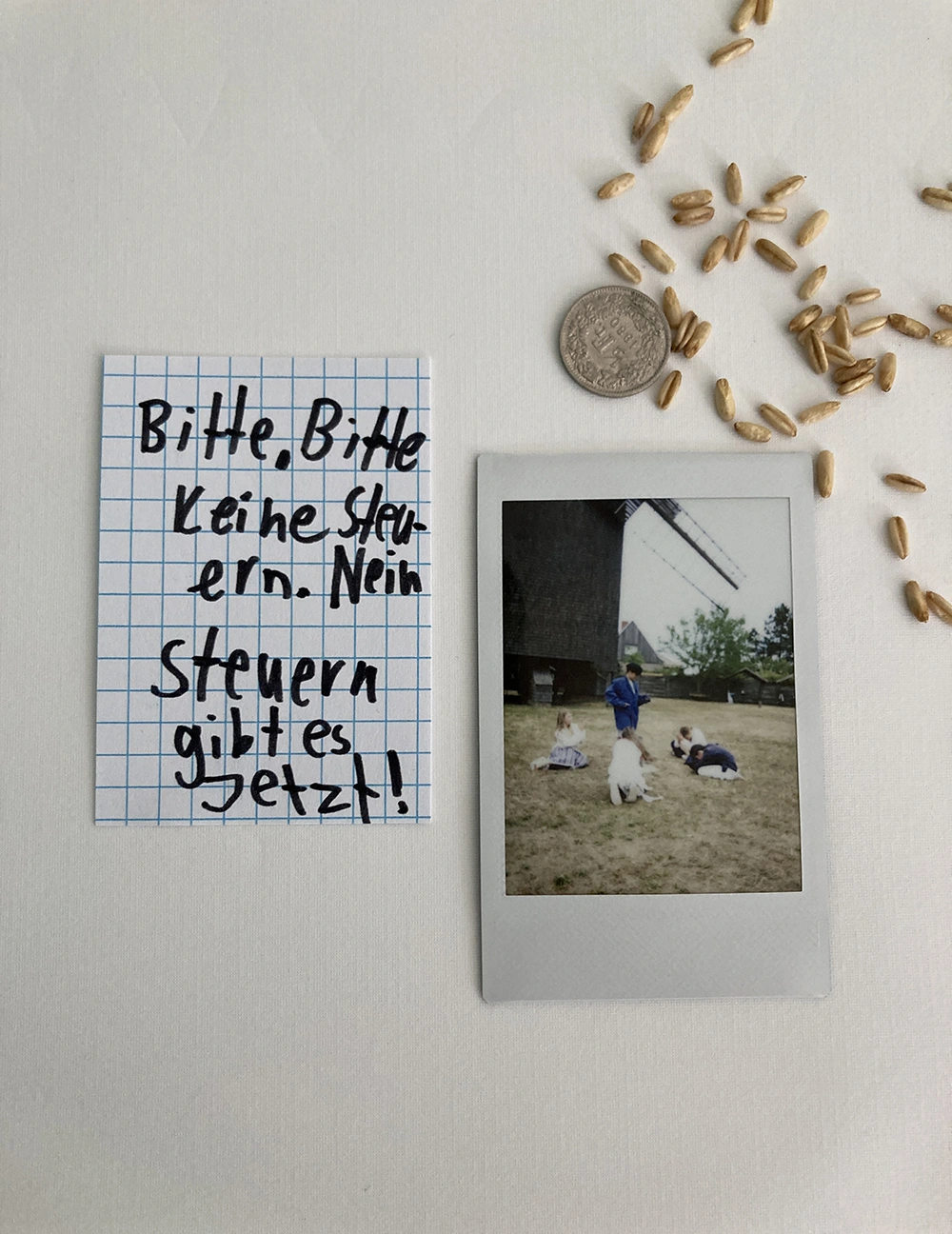
Bread and the mill, the harvest and the harvest festival—they all went hand in hand. What must it have felt like back then, after the arduous harvest in the summer heat, to bring the grain to the mill, let the wind do the grinding, and bake the first loaf of bread from the fresh flour?
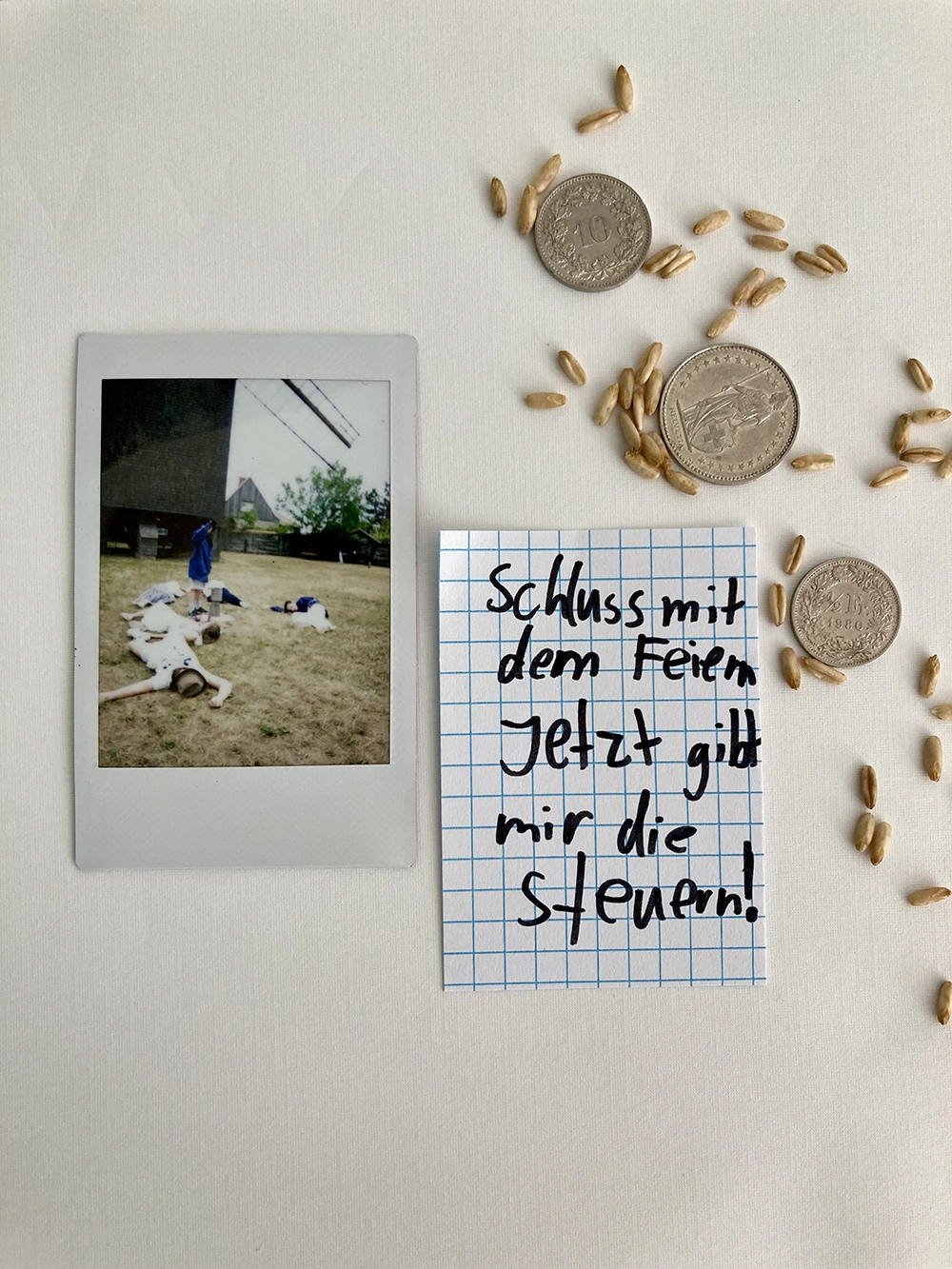
Sometimes the wind might have been slow in coming. But the harvest festival was sure to take place—with dancing and tables laden with food. It was good if, in the end, there was still enough left over to get through the winter and set aside provisions for lean years. And even more so, to be able to pay the taxes that were due.
Mini Radio Play
Großneundorf Cultural Harbor
„Old Harbor, New Dreams“
The children explored this once-important trade hub using only historical photos, quotes, stories, and brief impromptu interviews:
Photo Story
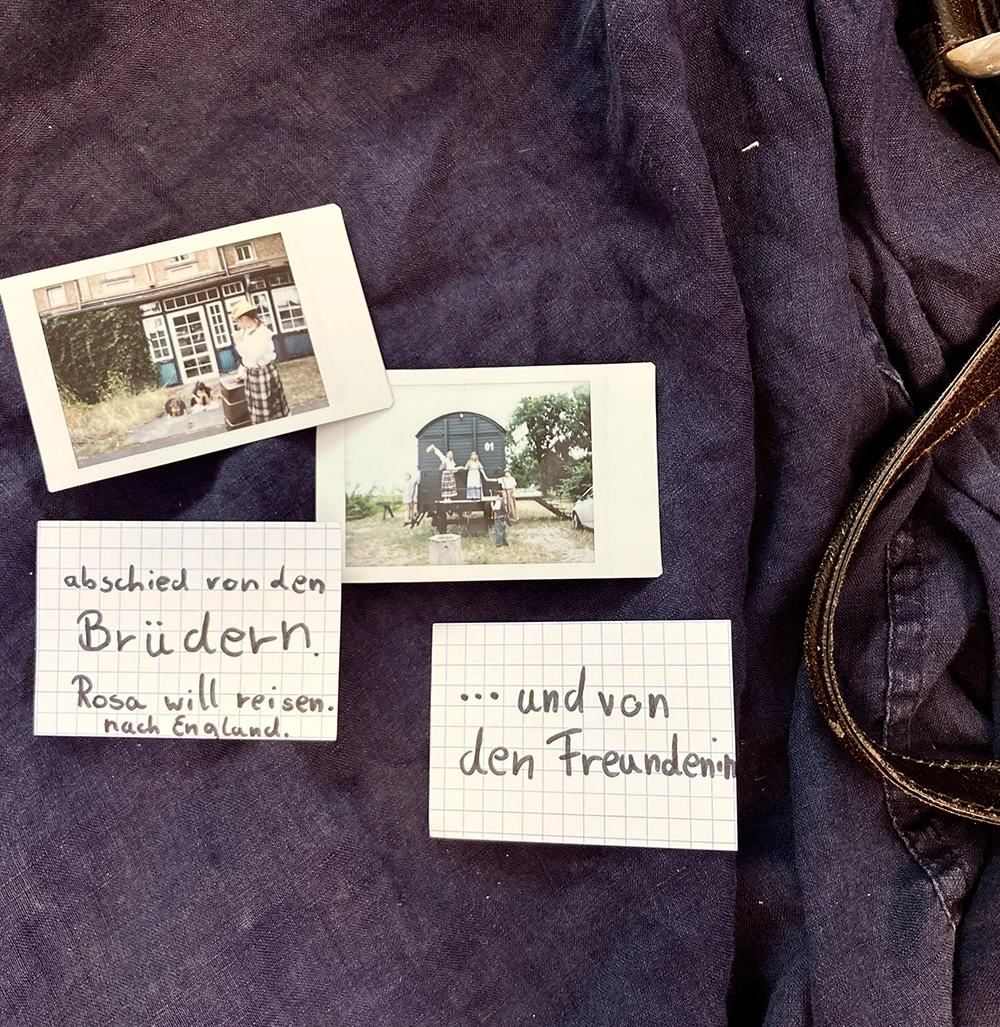
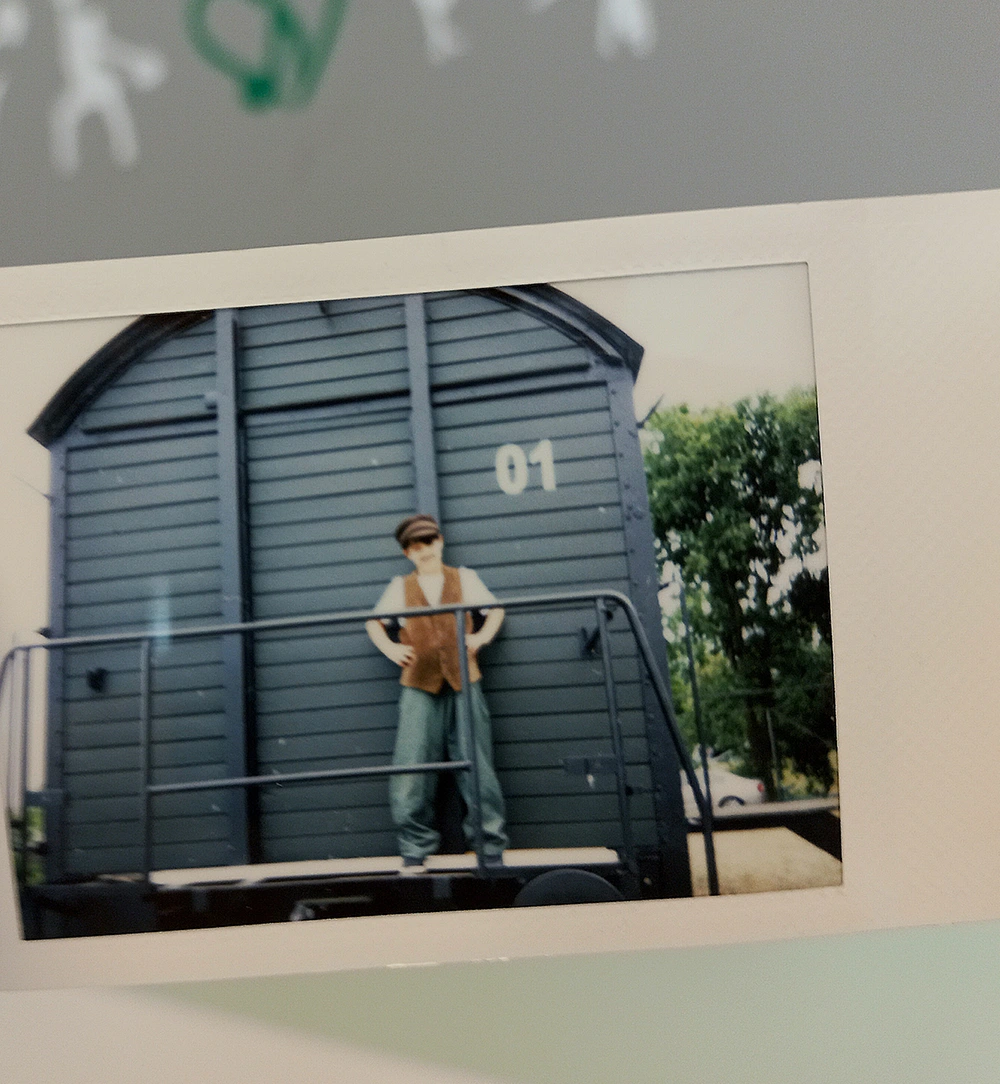
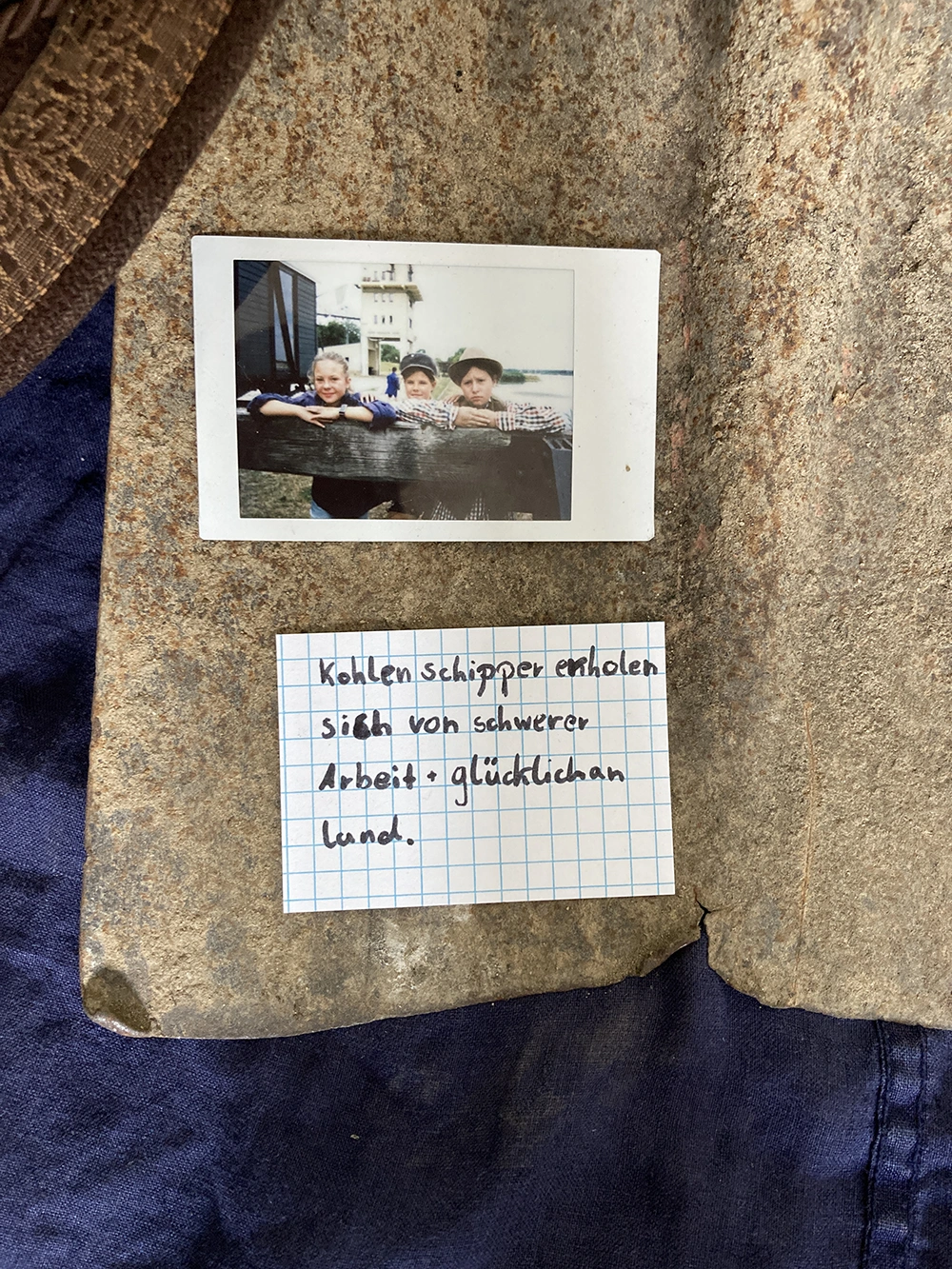
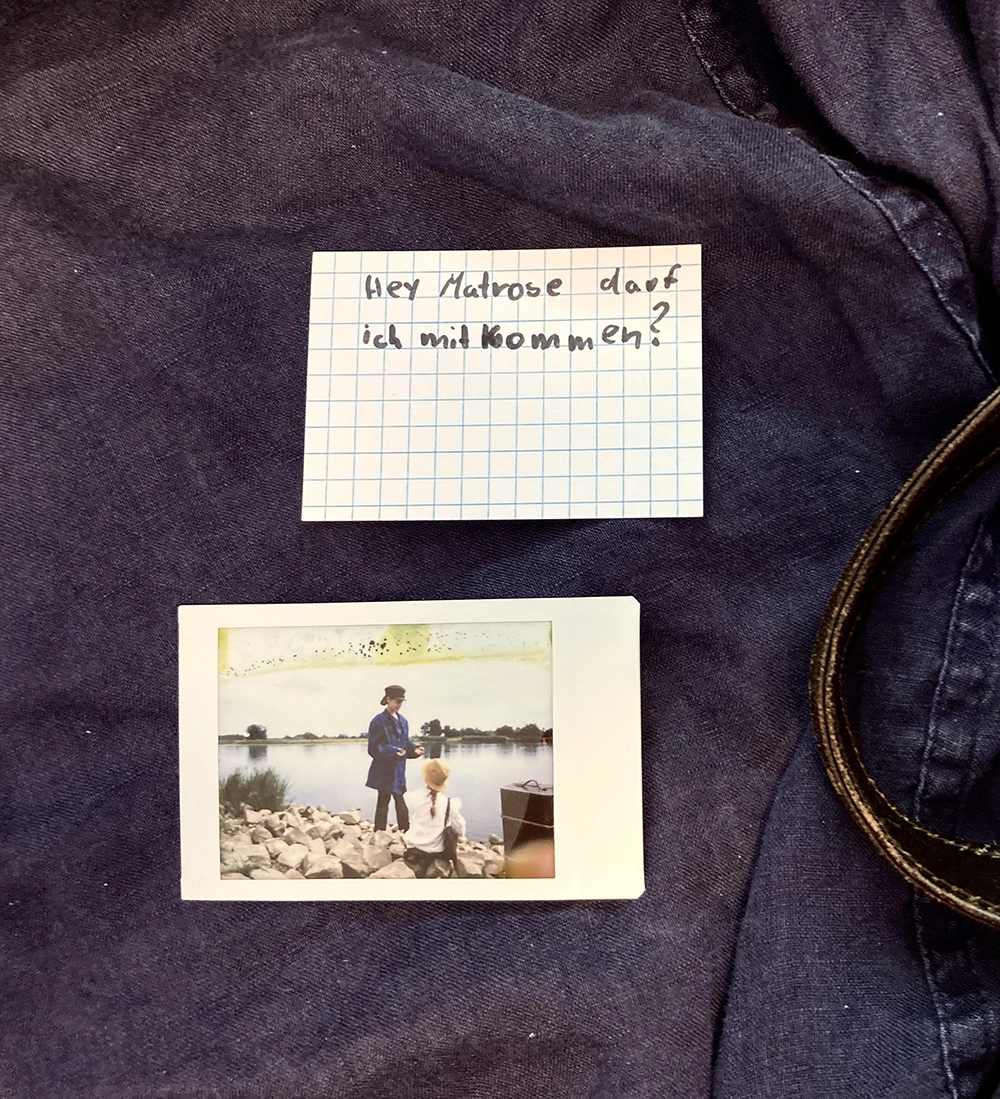
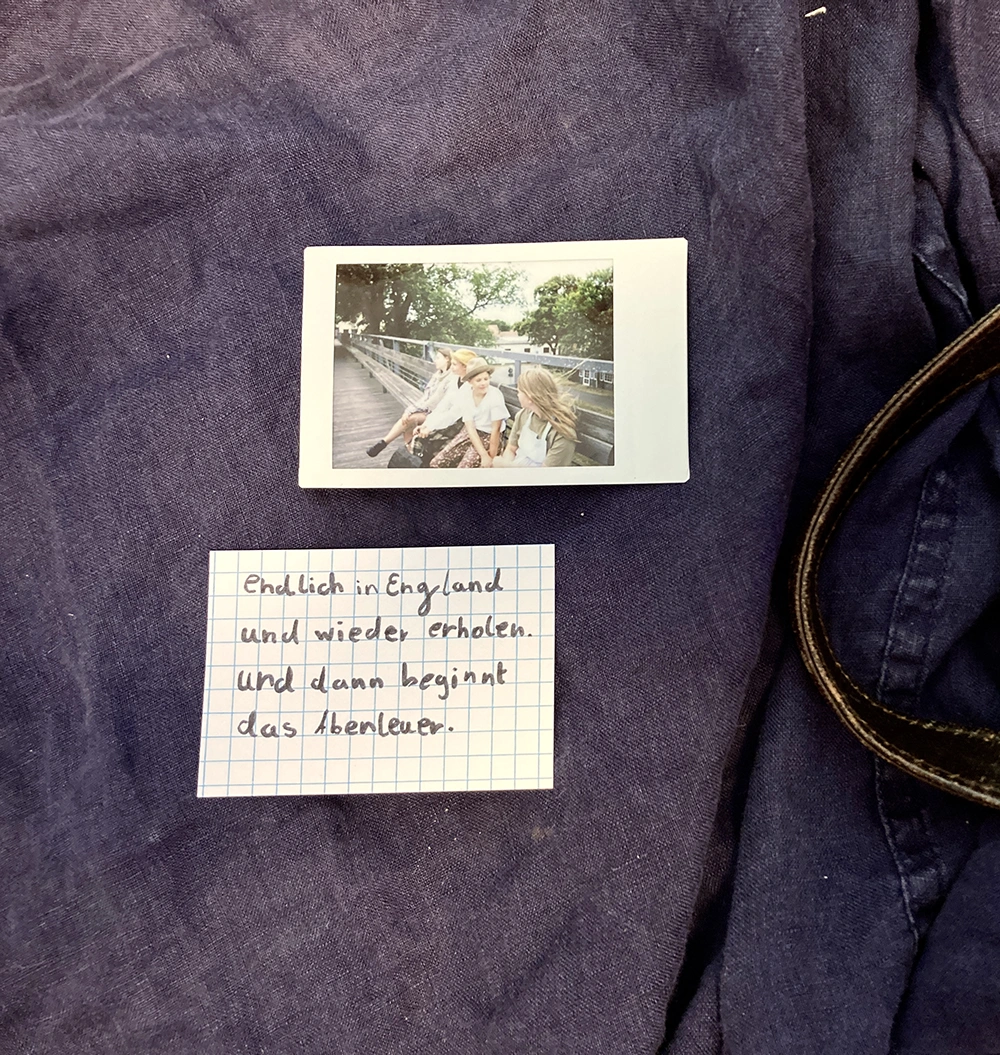
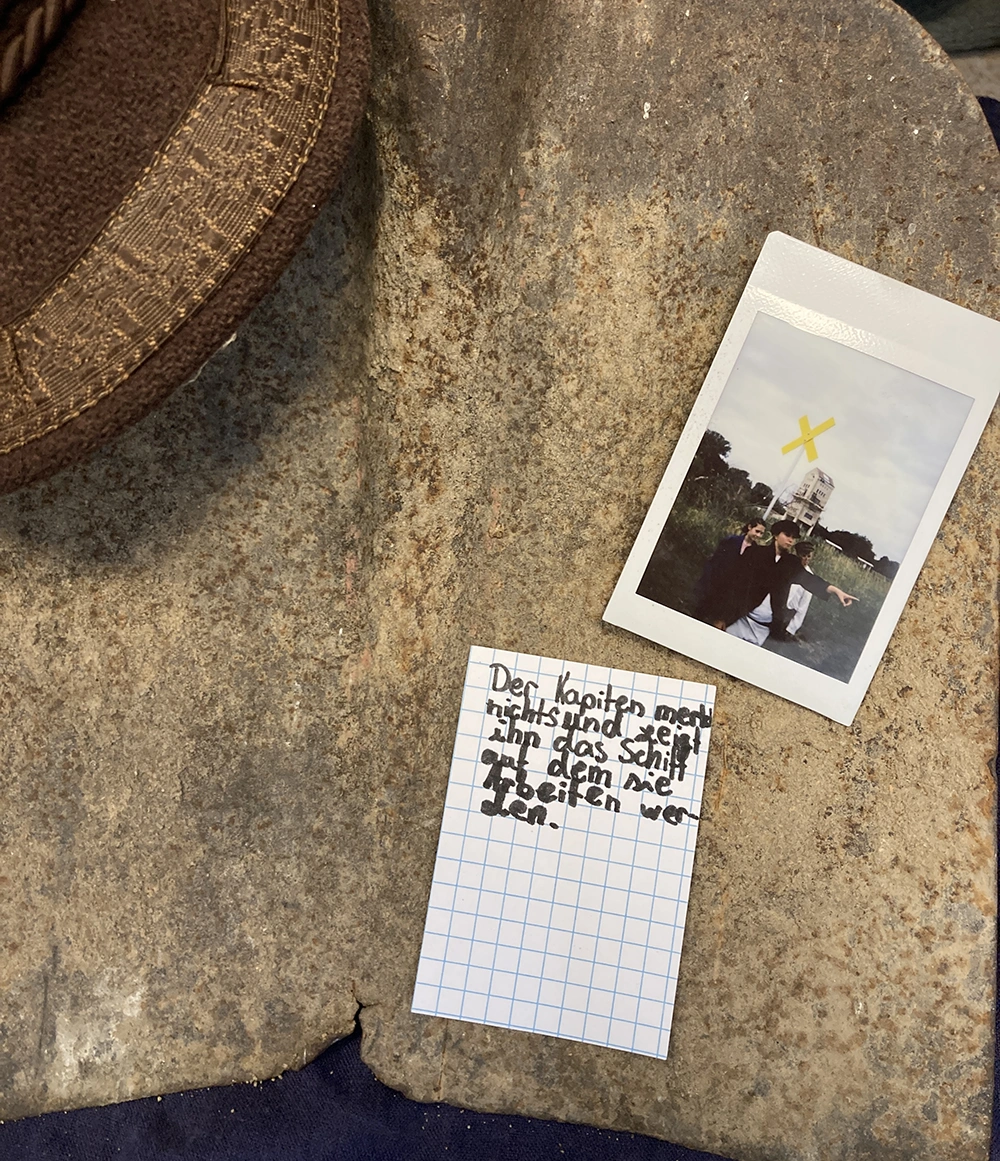
In this photo story, the children tell the story of Rosa—a young woman who decides to emigrate. In 1911, she reads in the newspaper that the Oderbruch Railway runs all the way to the quay wall in Groß Neuendorf and that from there, ships sail down the Oder River. The story of her own ancestors, who once took the plunge and settled in the Oderbruch without having any idea what conditions would be like or what life would be like in their new home, gives her courage—she dreams of a fresh start in England.
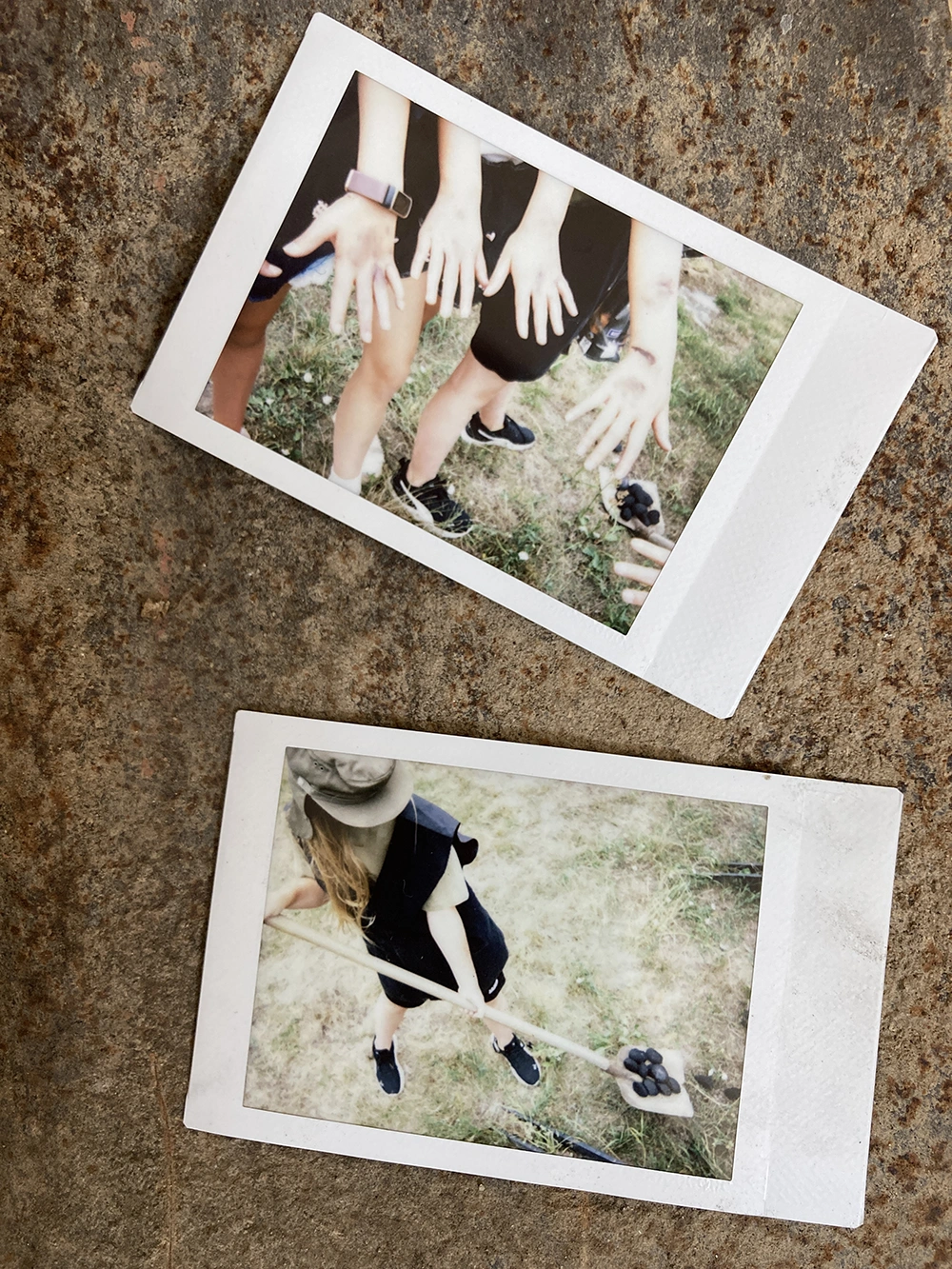
It is only upon her arrival in Groß Neuendorf that she realizes no passenger ships dock there. At the harbor, grain and other goods are being loaded onto barges. On the shore, she rests after the first leg of her journey and reflects on her situation. There she meets a friendly, elderly ship’s stoker. His face and hands are blackened by coal dust. Day in and day out, he stokes the steamship’s boiler with coal.
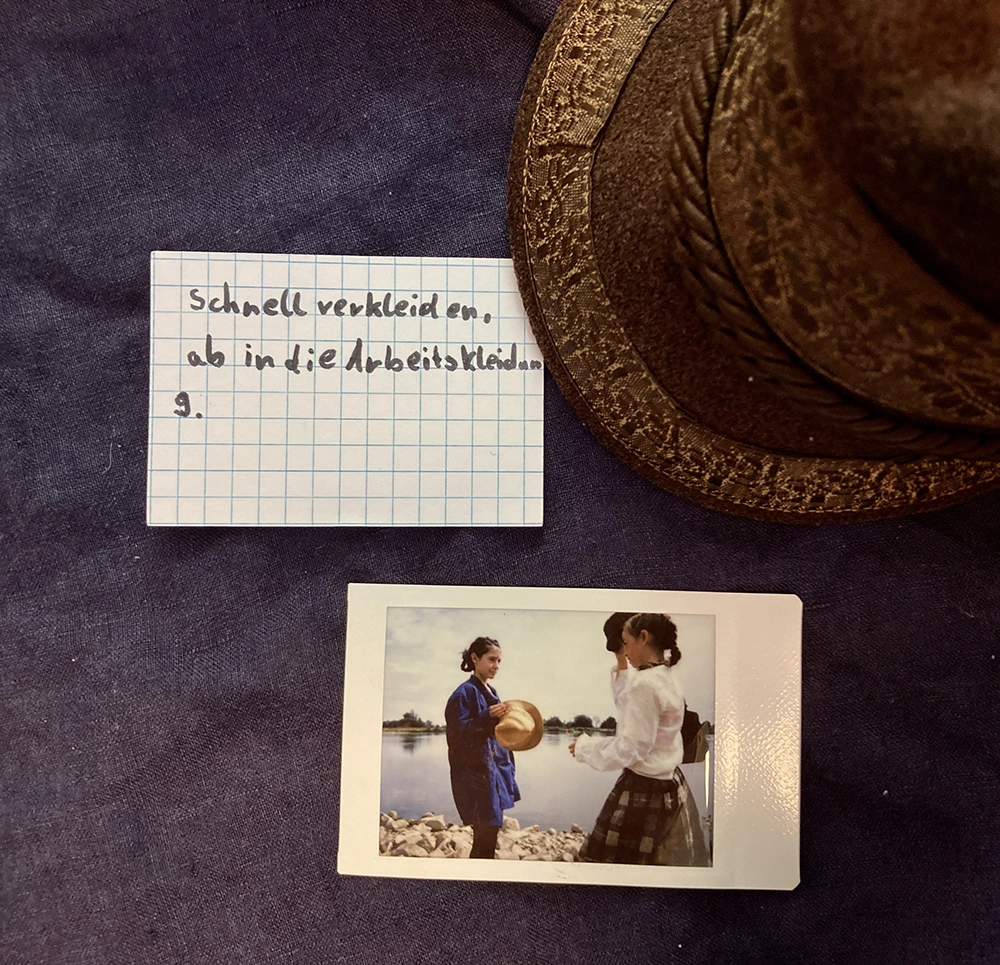
He’s short one crew member and could really use her help below deck. On the spur of the moment, Rosa swaps her dresses for pants and a shirt and signs on as a coal hauler. To stay on board, Rosa must hide her identity and keep as low a profile as possible. Above all, the captain must not find out that there’s a woman among the crew.
Rosa's story is fictional, but it could have happened in this way or something similar. For example, there is the recorded story of 60-year-old Justina Tubbe from Oderberg, who emigrated to Texas in 1855
Mini Radio Play
Letschin Local History Museum
„Sugar is delicious, but unhealthy“
Sugar used to be a luxury item imported from overseas until it could be produced from locally grown sugar beets and became a part of everyday life here. With the establishment of several sugar factories, sugar production also came to play a defining role in the Oderbruch region. Mr. Petrick from the Letschin Local History Museum told us about the close interrelationship between sugar as an energy source and the energy-intensive process of sugar production:
Photo Story
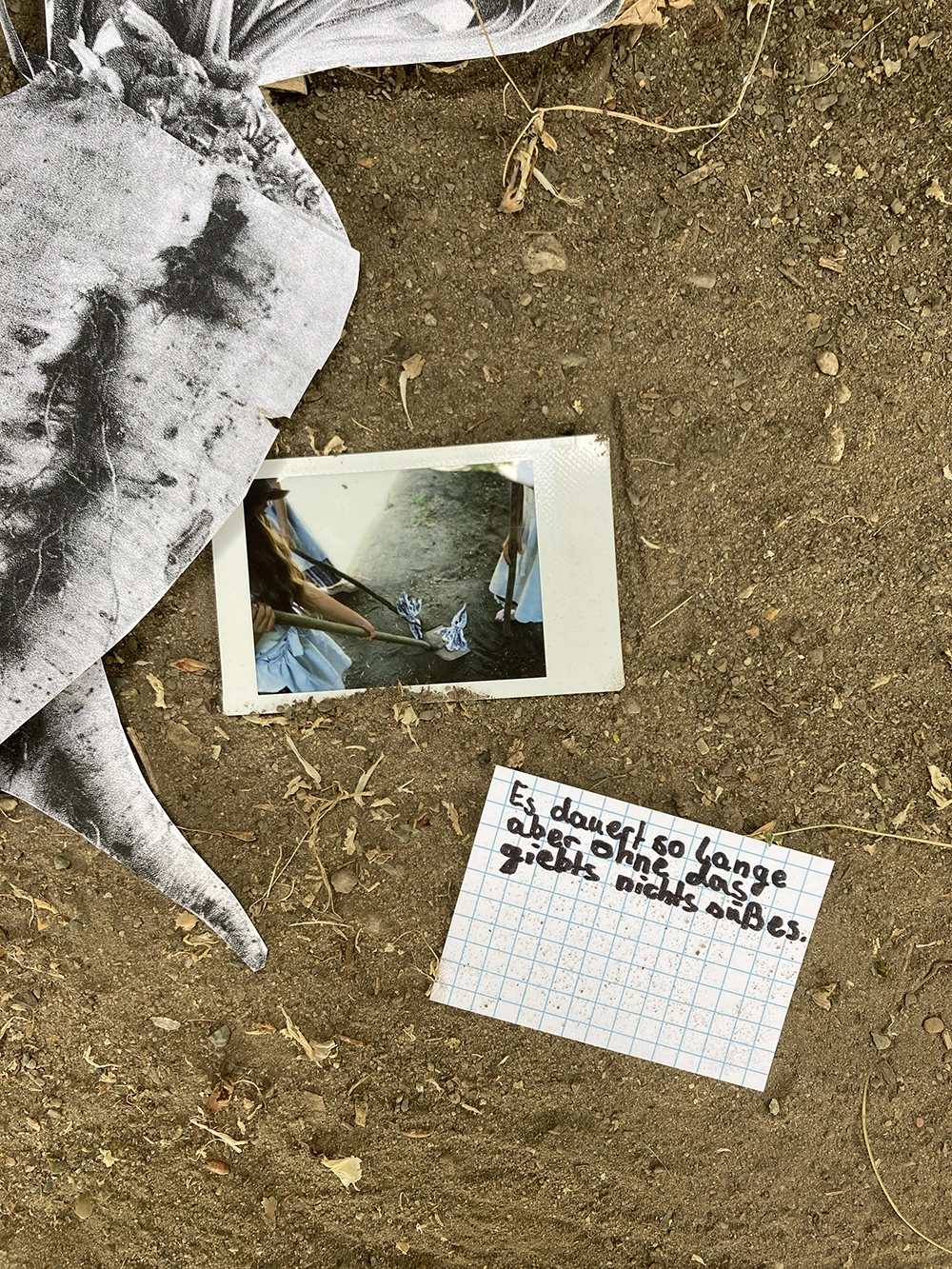
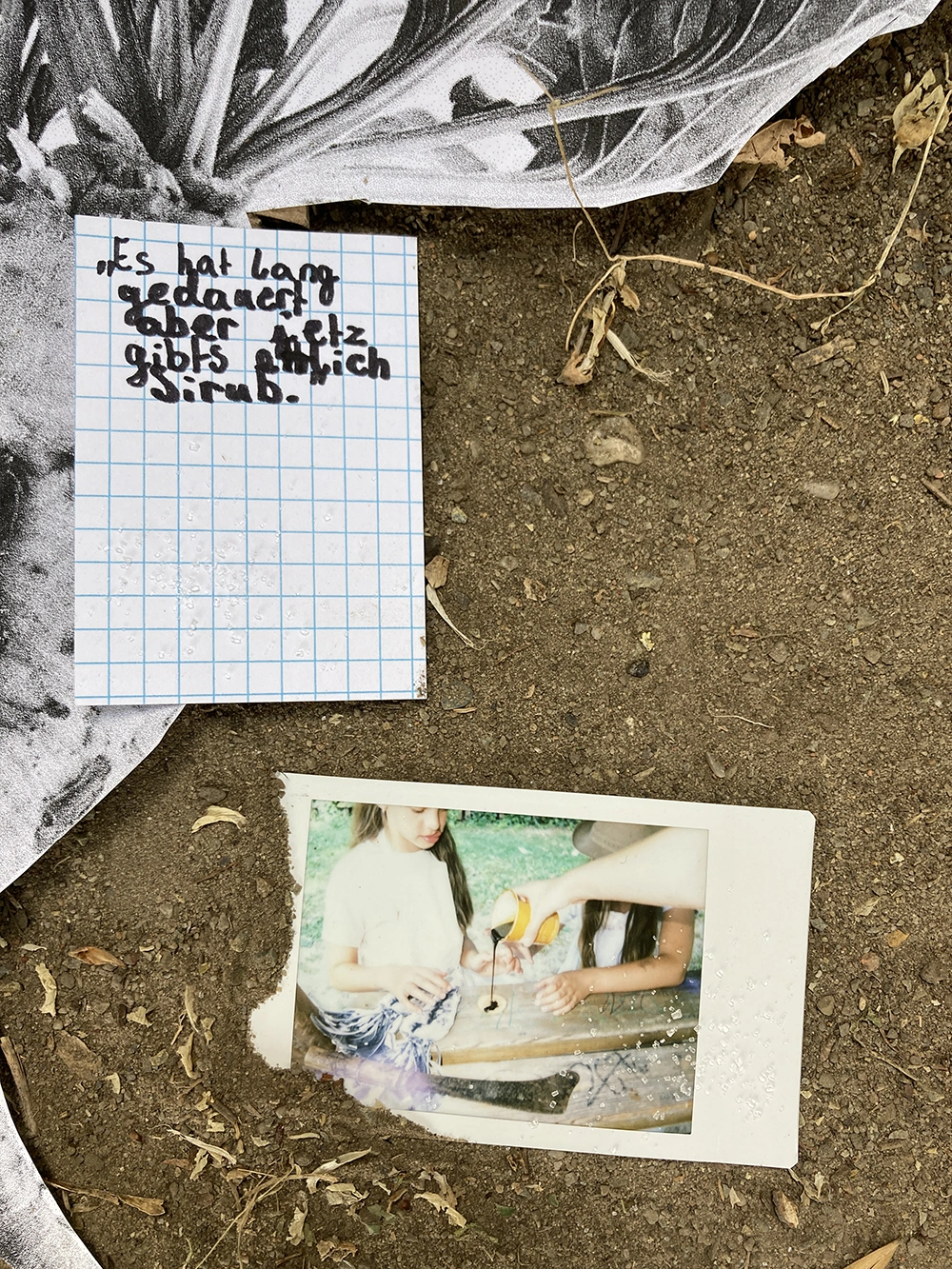
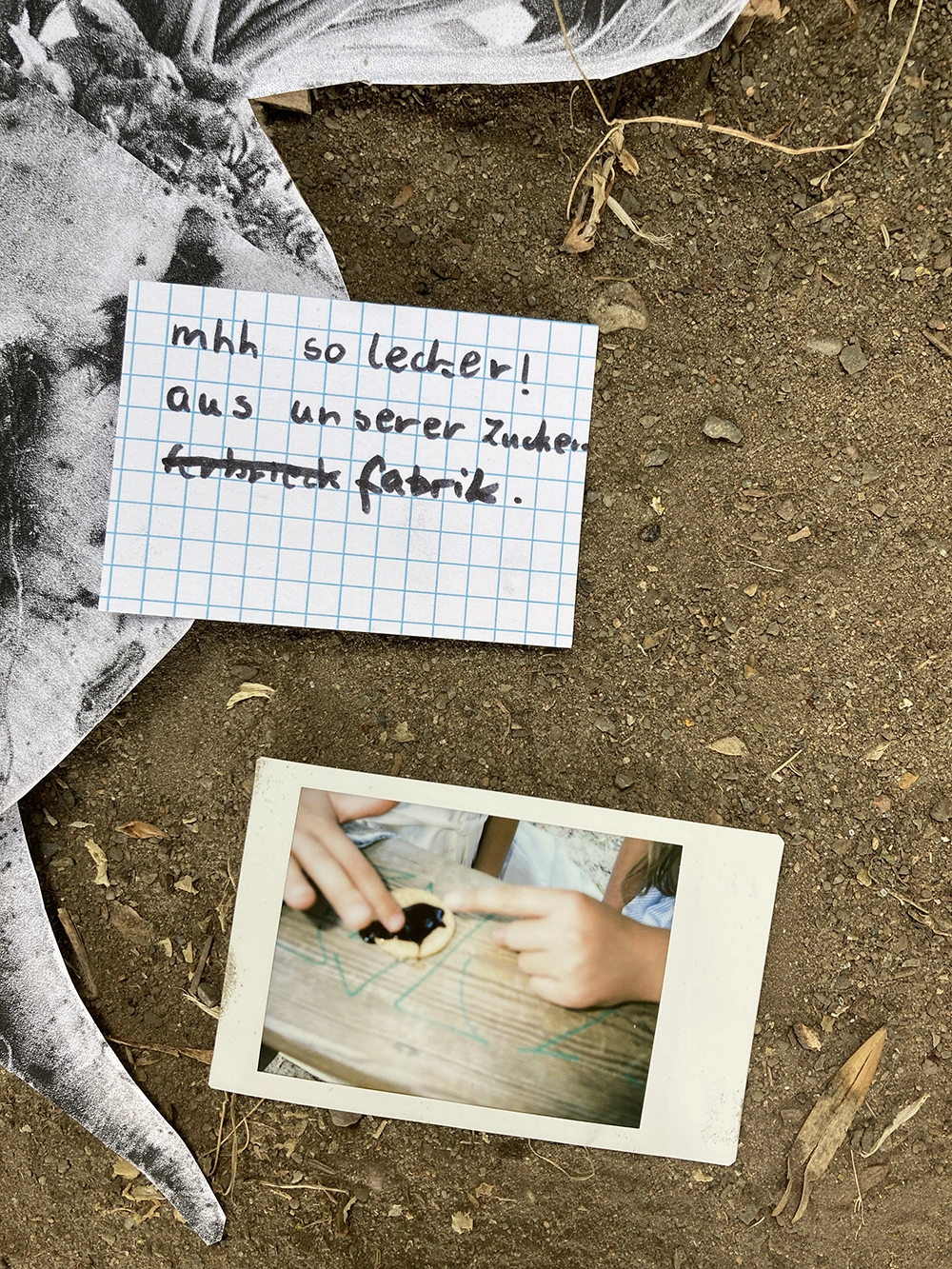
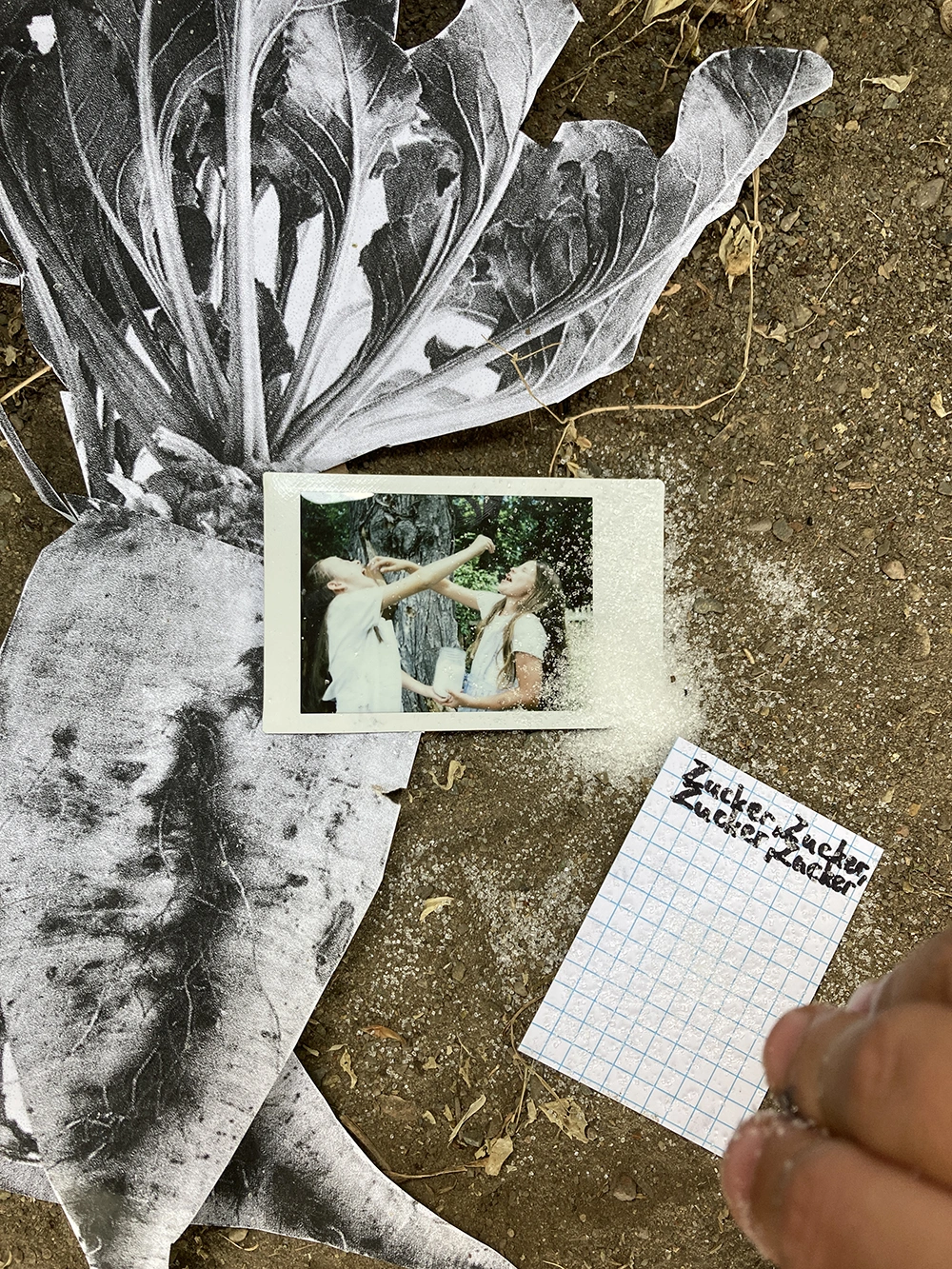
The beet lifter for loosening the soil and lifting the sugar beets. The knife for cutting off the leaves, the hatchet for chopping up the beets. In the old barns around Letschin, you can still find here and there the tools that were once used everywhere to harvest sugar beets by hand. We decided to give it a try. And since the sugar beet harvest doesn’t take place until late fall, we made our own sugar beet. At the sugar factory, the beets were eventually processed into golden syrup and white sugar. The effort farmers once put into harvesting sugar beets was enormous, though—they certainly earned their sugar.
Mini Radio Play
A project of the Landscape Education at the Oderbruch Museum Altranft, financed by the Municipal Working Group Cultural Heritage Oderbruch.