4. German-Polish meeting: European Cultural Heritage – Sugar from the Oderbruch
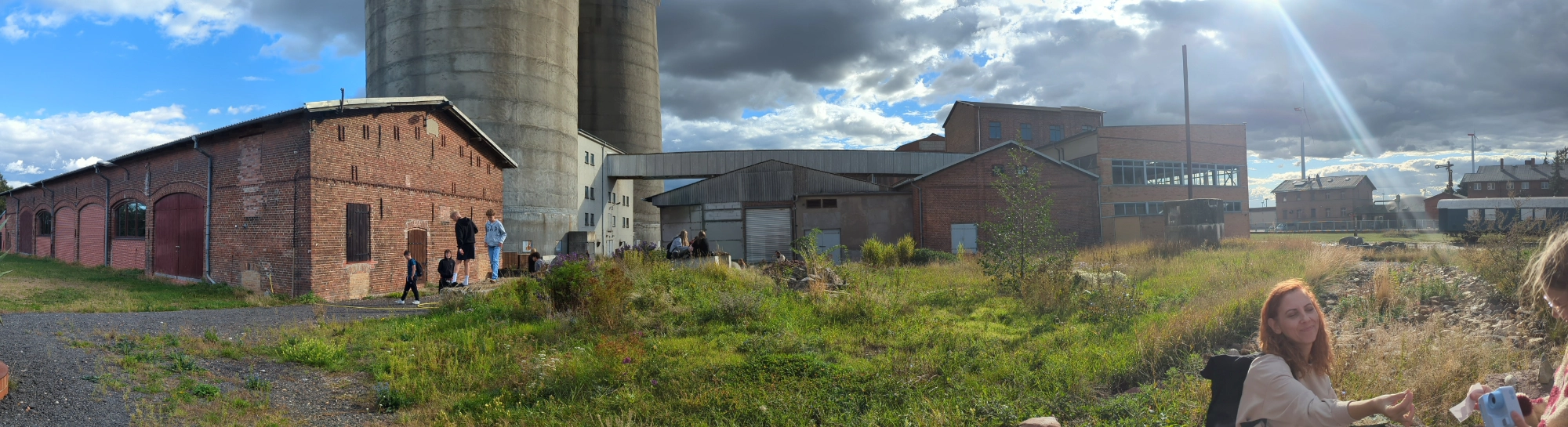
SUGAR in the Oderbruch—a sweet topic that is not only closely intertwined with today’s world but has also left its mark on the landscape in the past. For one week, 45 children from the Letschin Elementary School and from the Polish partner community of Pszczew engaged with the topic during this year’s German-Polish exchange at Trebnitz Castle and explored it in four different workshops. An excursion to the Oderbruch Museum Altranft, a cultural heritage site, and to the former Thöringswerder sugar factory provided inspiration and background knowledge. In this vast industrial ruin, it was particularly easy to imagine that sugar production must once have played a significant role in the Oderbruch region and continues to shape the landscape to this day.
CUKIER and the Oderbruch—a sweet topic that is not only closely tied to the modern world but has also left its mark on the landscape in the past. For a week, 45 children from the elementary school in Letschin and from the Polish partner municipality of Pszczew explored this topic in four different workshops during this year’s Polish-German meeting at Trebnitz Castle. Inspiration and knowledge came from field trips to a cultural heritage site—the Oderbruch Museum in Altranft—and to the former sugar refinery in Thöringswerder. Amid these vast industrial ruins, it became particularly clear that sugar production in the Oderbruch region must once have played a significant role and continues to shape the local landscape to this day. German text
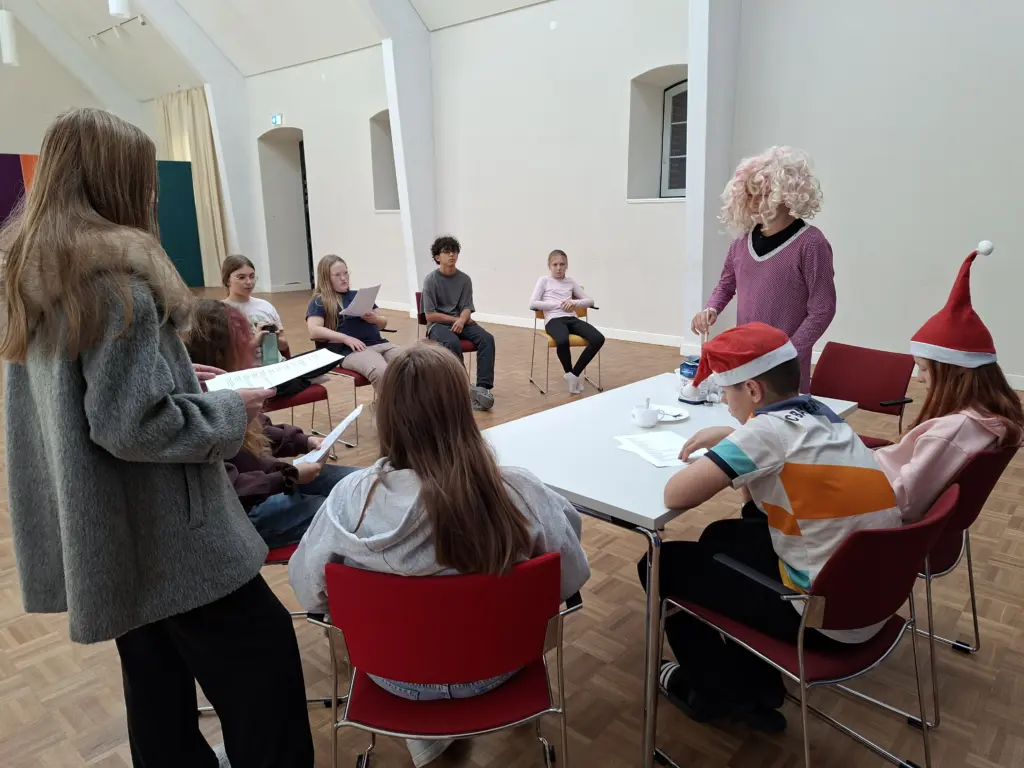
Theater Workshop
Participants: Ben, Emma, Hania, Karol, Laura, Lilianna, Mila, Ola, Tilda, Samir, Sandra
Workshop leader: Małgorzata Gajdemska
Storytelling and Theater Group
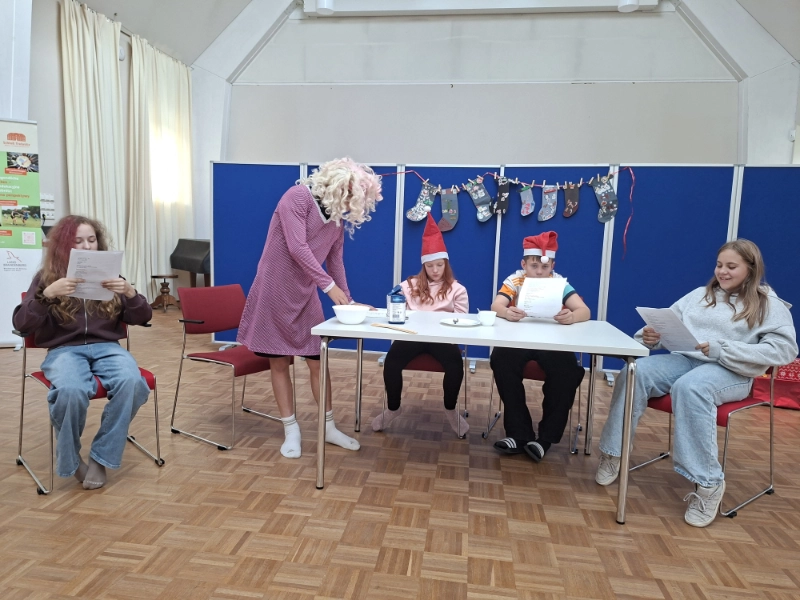
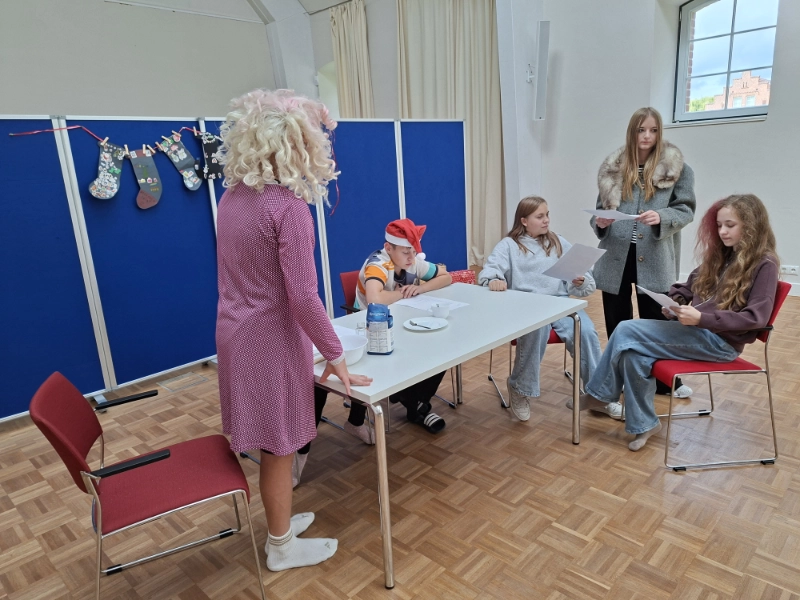
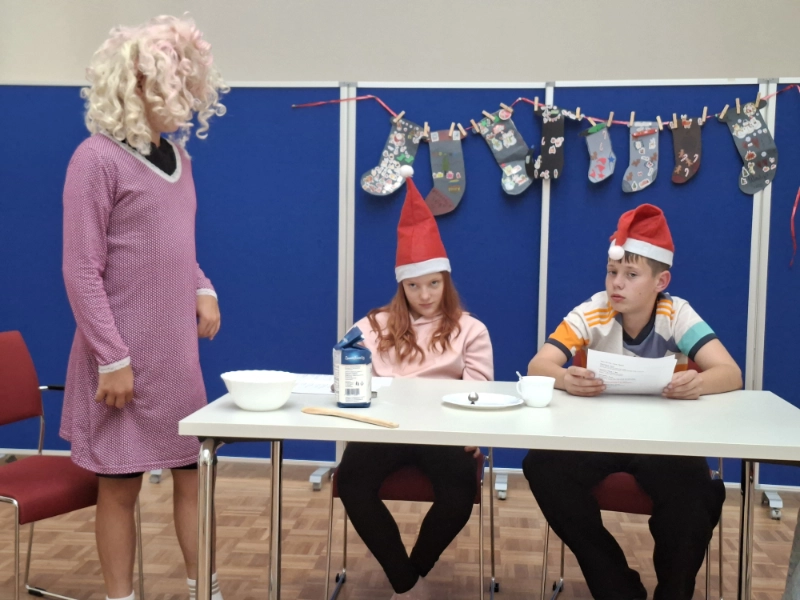
This group’s workshop activities focused on developing stories—both oral and written—as well as theatrical activities inspired by the theme of sugar, particularly in the context of the Oder region. A visit to the Oderbruch Museum in Altranft and a former sugar factory in Thöringsweder served as the starting point for writing short texts as well as for preparing and staging a theatrical performance. We worked with a variety of creative methods—ranging from brainstorming, discussions, and research to incorporating the young people’s own experiences, as well as theatrical improvisations and free-flowing imagination about the role of sugar in a distant past and a mysterious future.
The result is a narrative in which different time periods, worlds, characters, and perspectives intertwine. Sugar serves as the central motif of the story and invites us to view history, social and cultural changes, consumption habits, and our everyday decisions through its lens. Sometimes as a sweet memory, sometimes as a bitter reflection…
Participants: Ben, Emma, Hania, Karol, Laura, Lilianna, Mila, Ola, Tilda, Samir, Sandra
Workshop leader: Małgorzata Gajdemska
Storytelling and Theater Group
This group’s workshop activities focused on creating stories—both spoken and written—as well as theatrical performances inspired by the theme of sugar, particularly in the context of the Oder region. Visits to the Oderbruch Museum in Altranft and the former sugar factory in Thöringsweder served as a starting point for creating short texts, as well as for preparing and staging a theatrical performance. We used a variety of creative methods—from brainstorming to discussions,
searching for information, drawing on the young people’s own experiences for theatrical improvisations, and letting their imaginations run wild about the role of sugar in the distant past and the mysterious future.
The result is a theatrical narrative in which different time periods, worlds, characters, and perspectives intertwine. Sugar serves as its central theme, prompting us to view history, social and cultural changes, consumption patterns, and our daily choices through its lens.
Sometimes as a sweet memory, sometimes as a bitter reflection…
Photography Workshop
Photography Club
Participants: Amelie, Anastazja, Charlotte, Hania, Jordan, Lennox, Magda, Niklas, Tosia
Language Interpreter: Marta
Management: Paweł
In these workshops, we explored the most basic analog photographic methods imaginable.
On the first day, we explored how the human eye works and what it feels like to walk through the park blindfolded. We even managed to take a “photo” with our own eyes: In the dark, we created a multicolored afterimage, which helped us understand how the eye perceives colors.
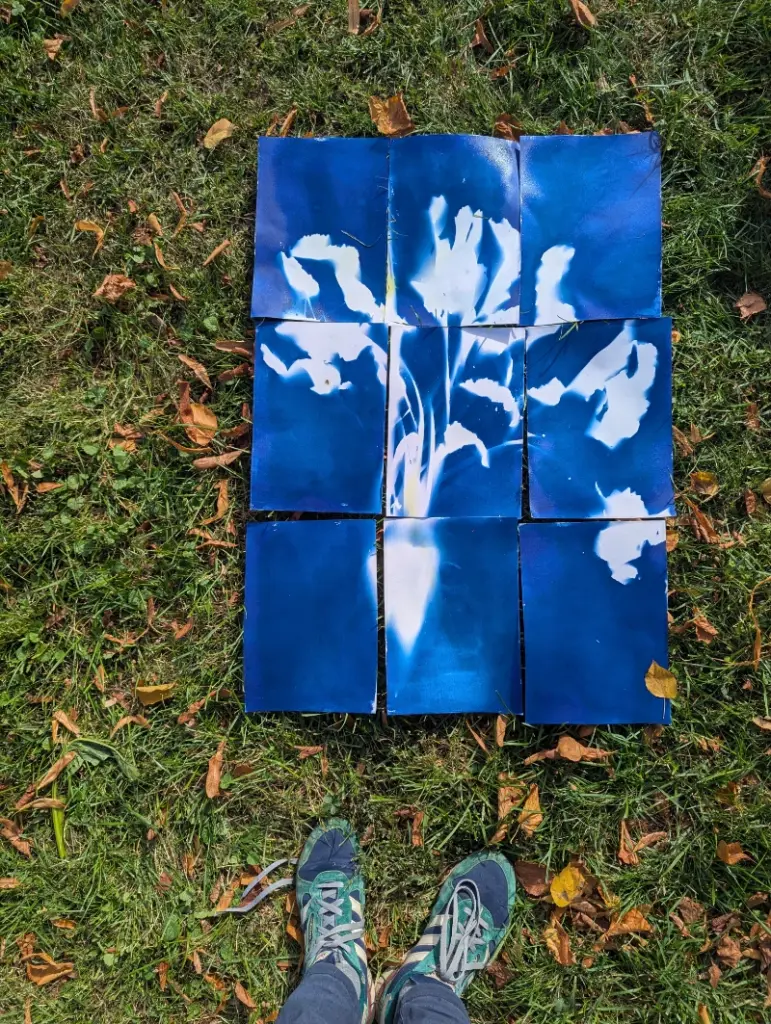
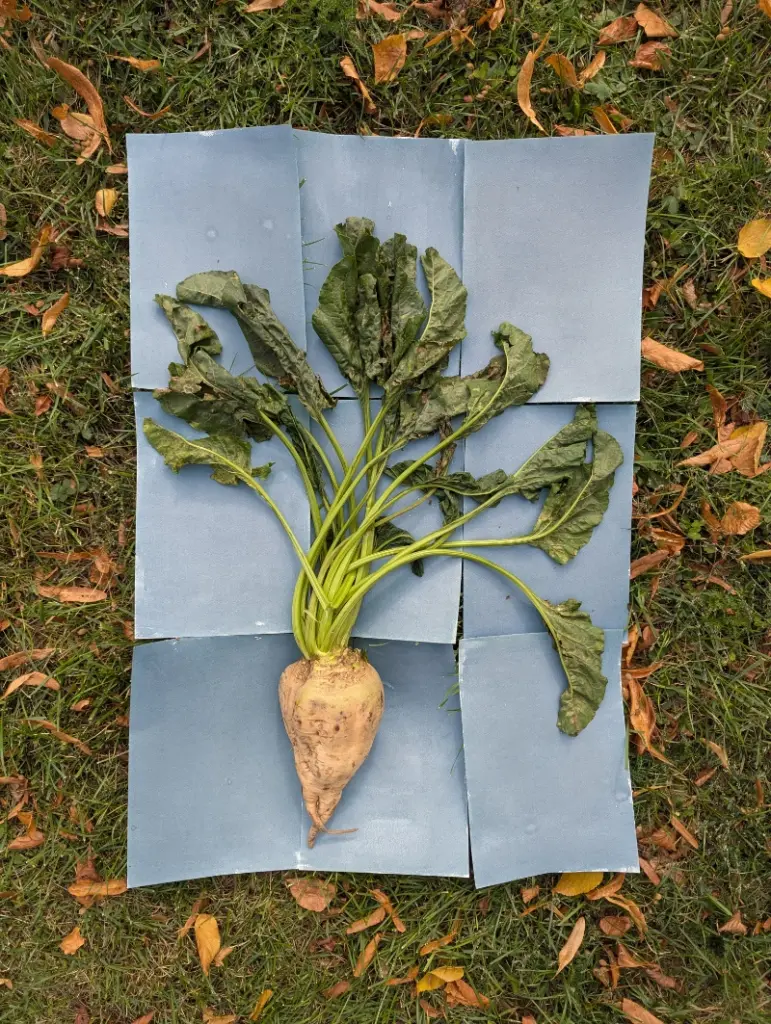
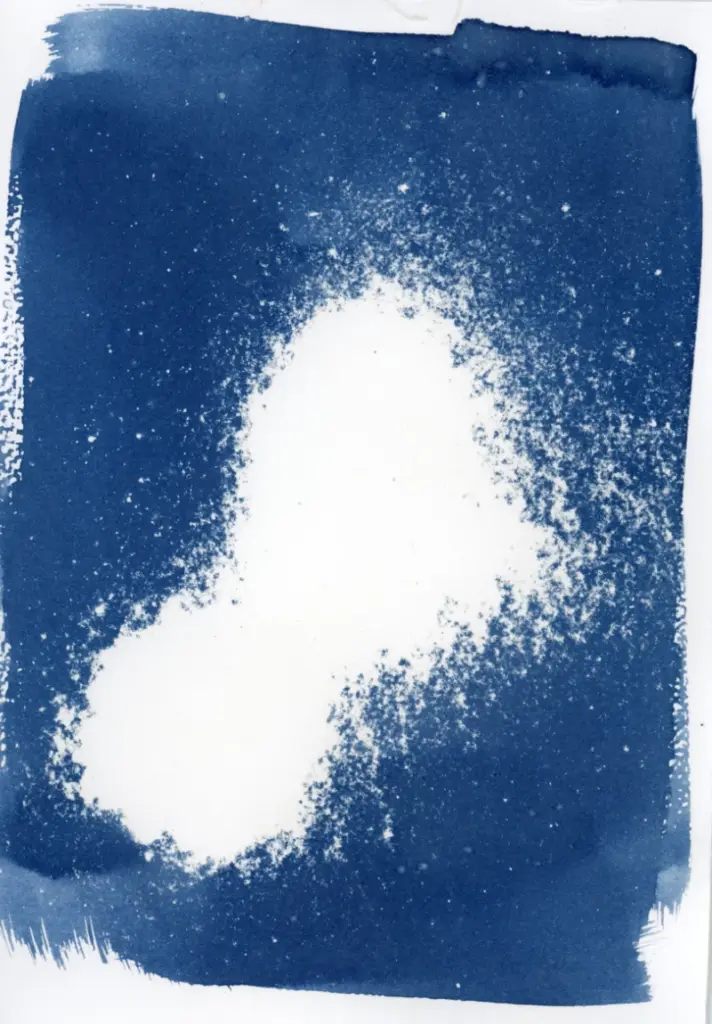
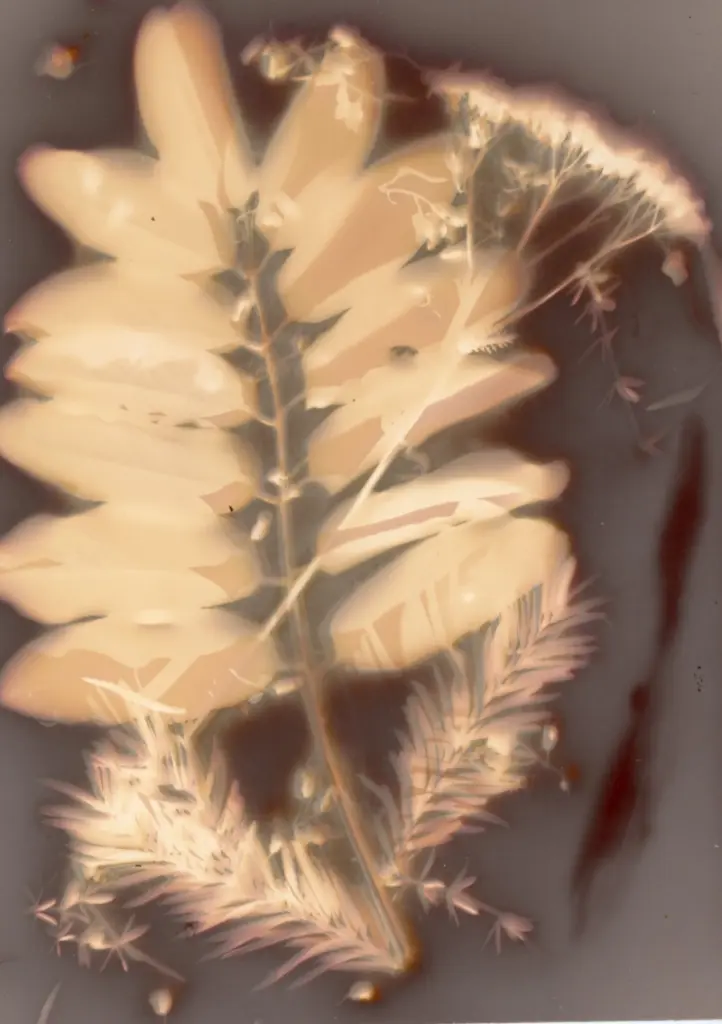
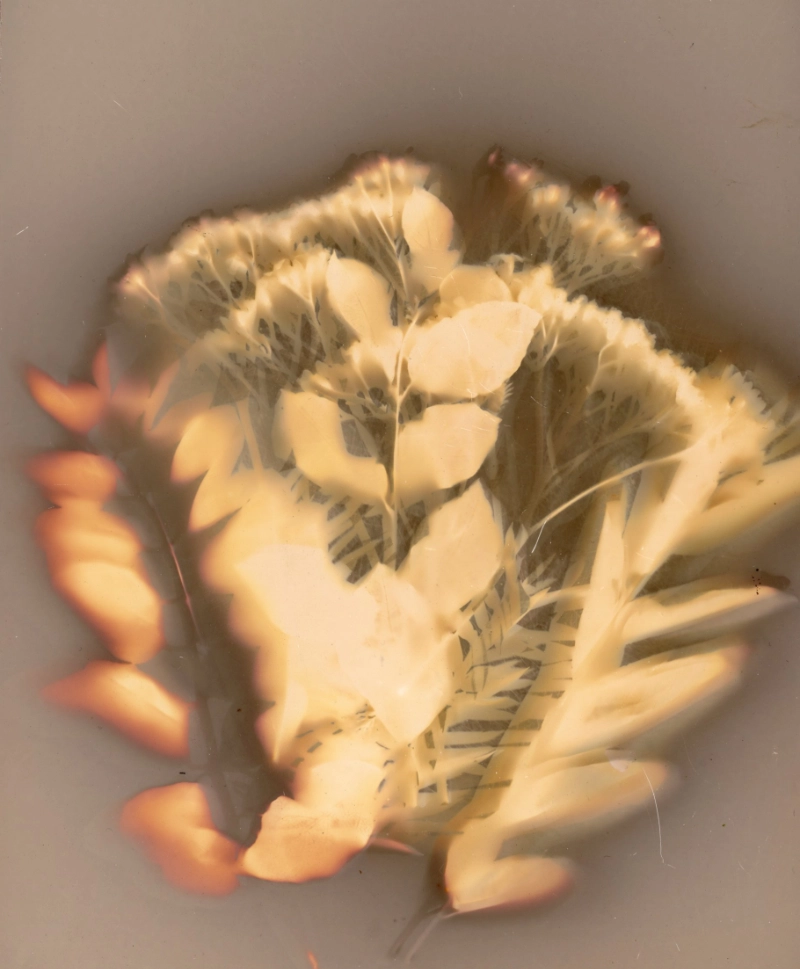
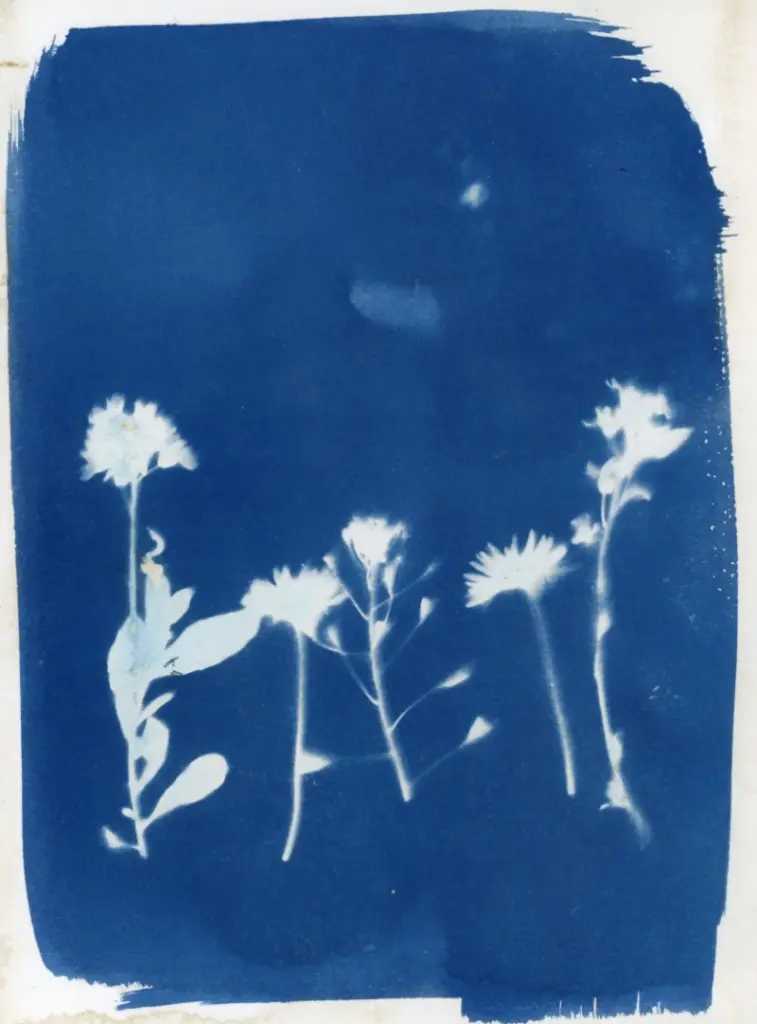
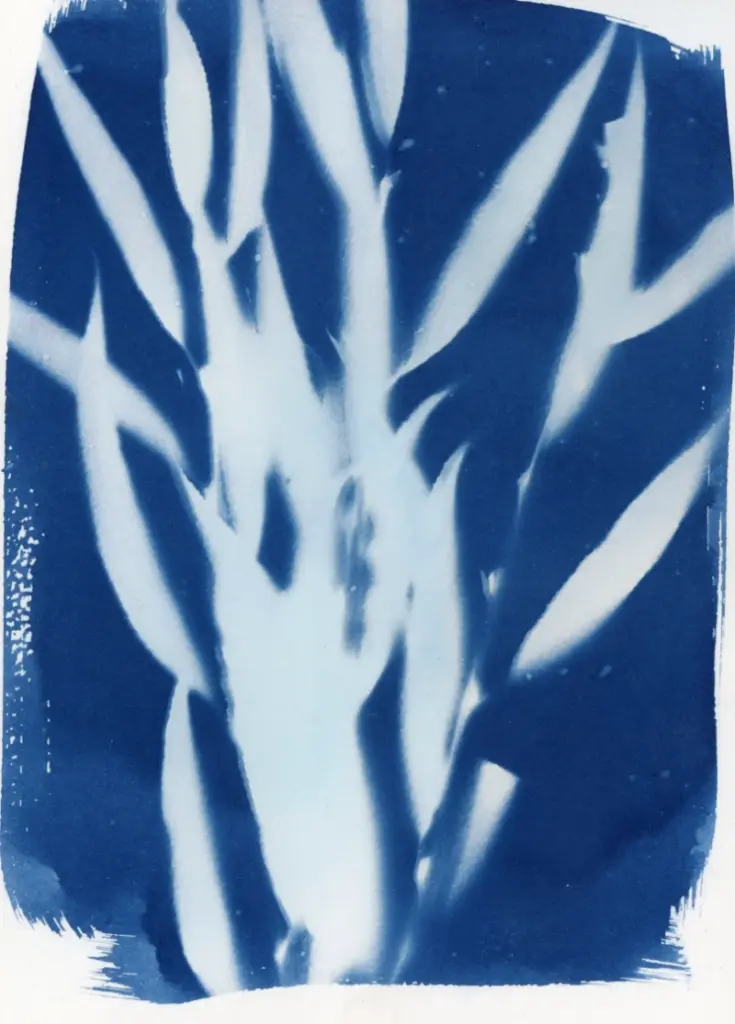
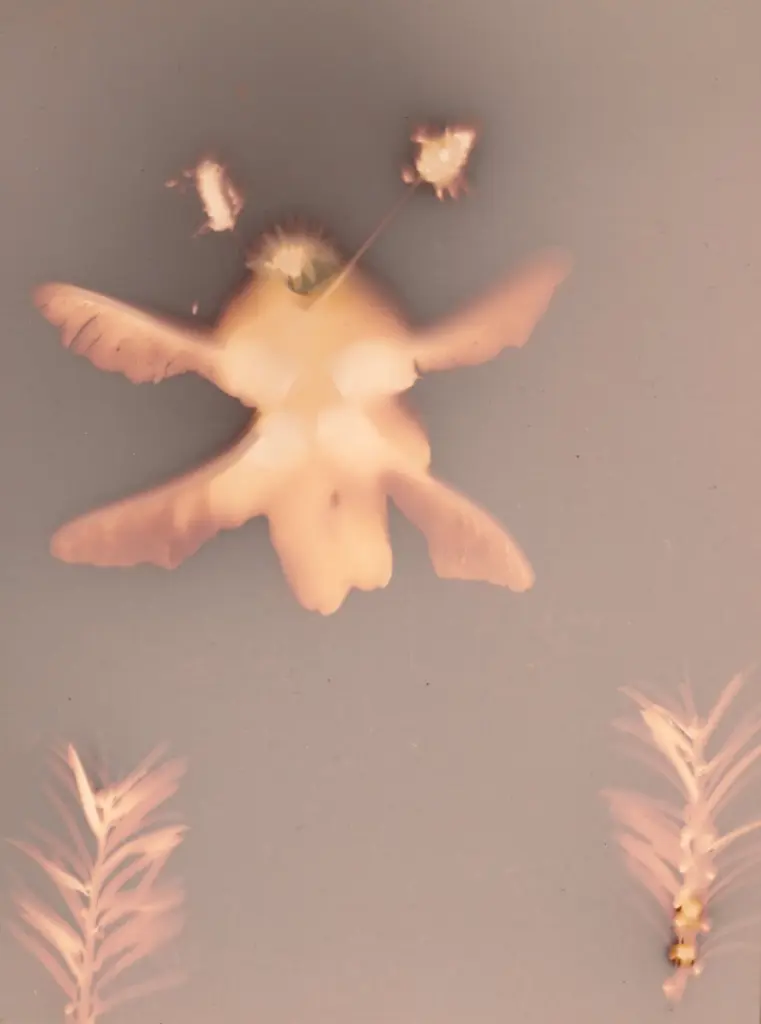
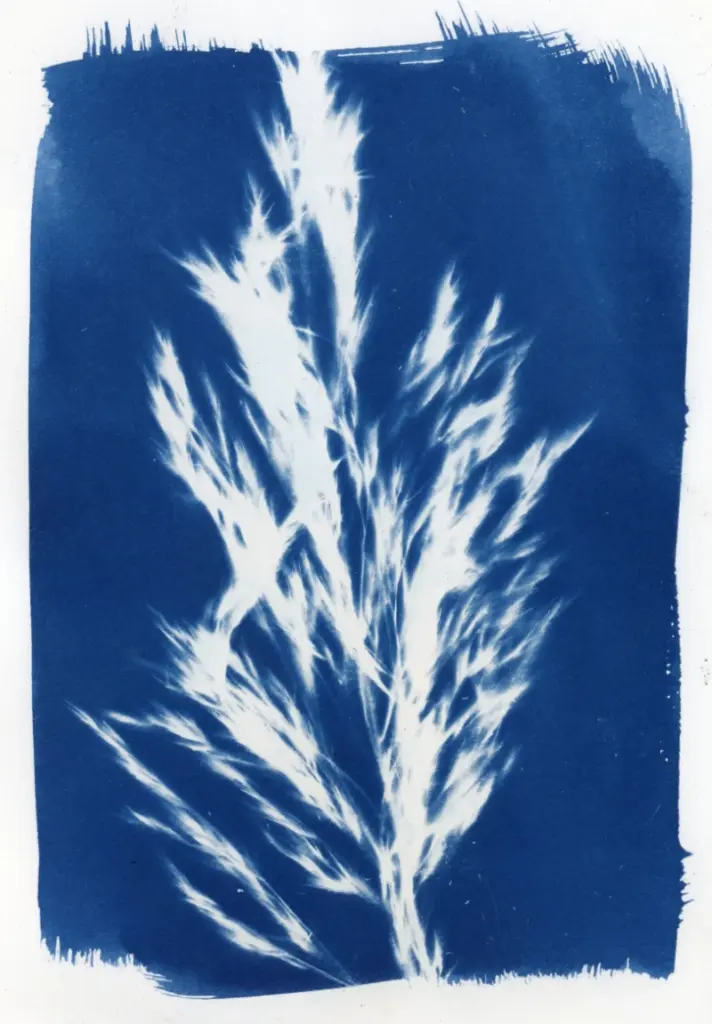
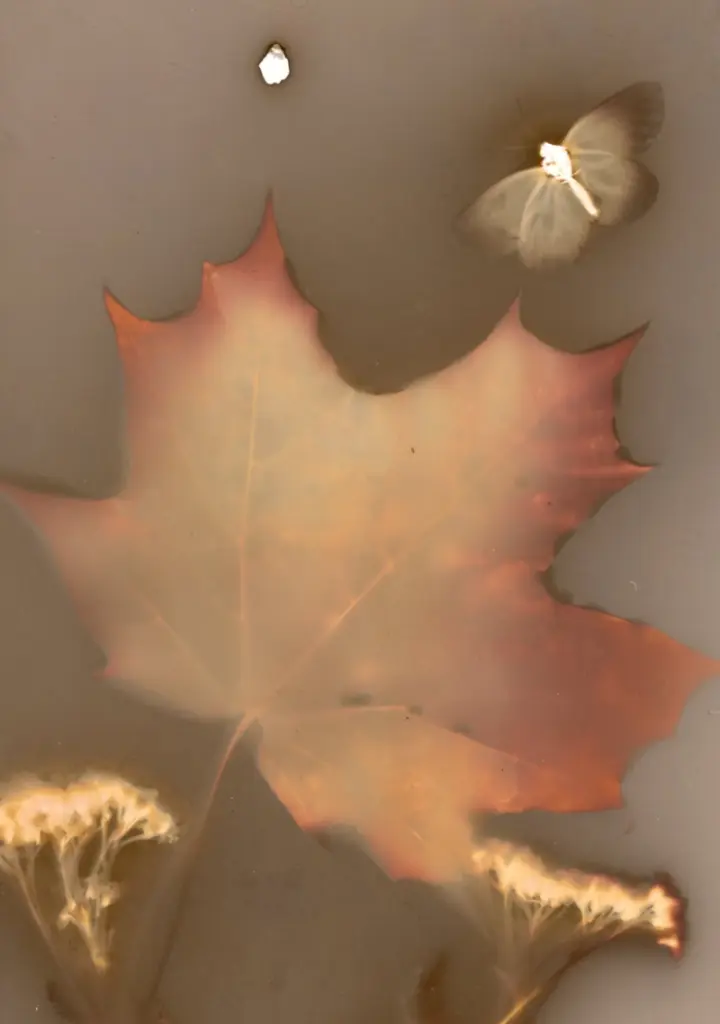
The next day, we experimented with camera-less photography. Using sunlight, we created unusual images from plants, sand, and stones we found, working with the lumen print technique. We repeated similar experiments using cyanotype, producing the blue images characteristic of this technique.
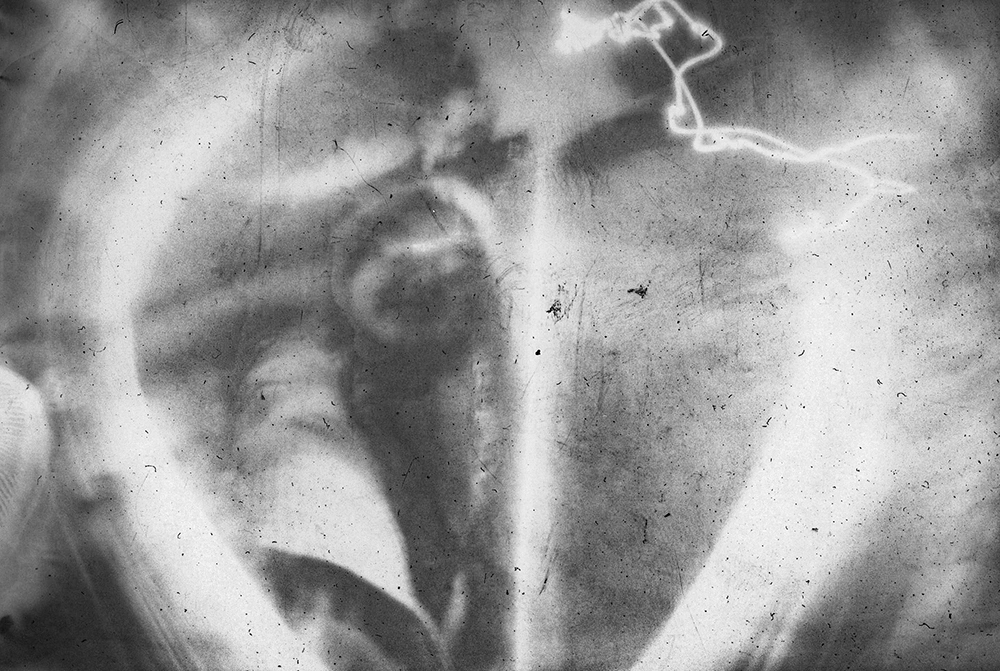
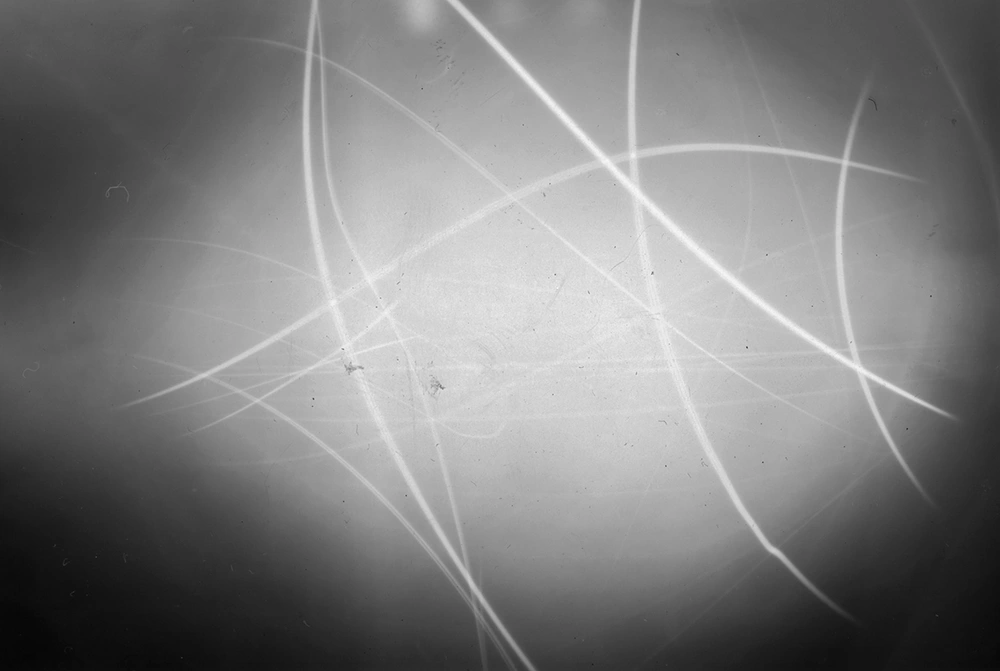
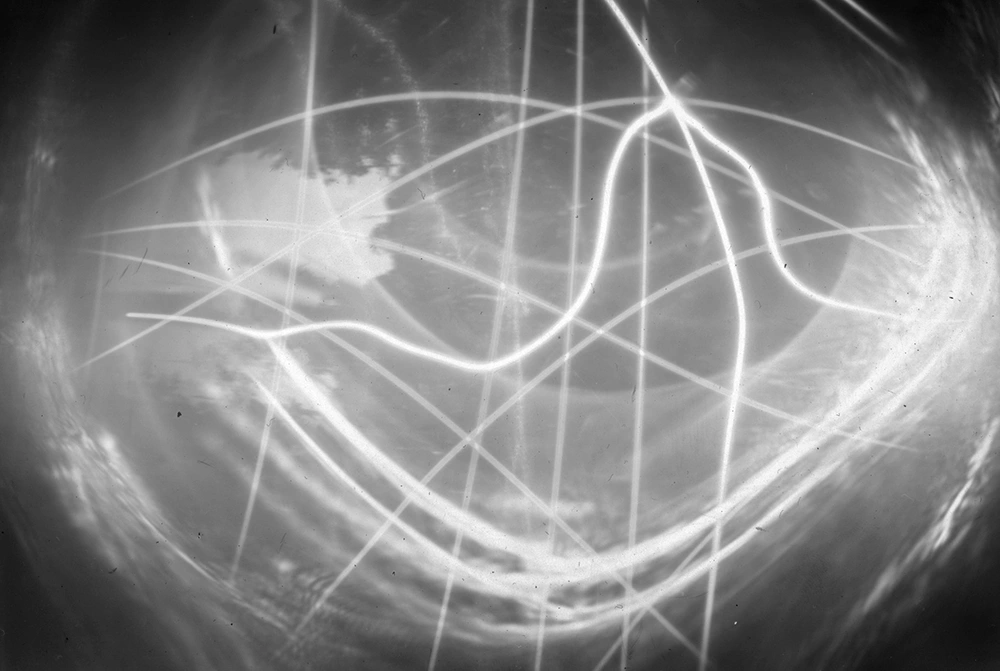
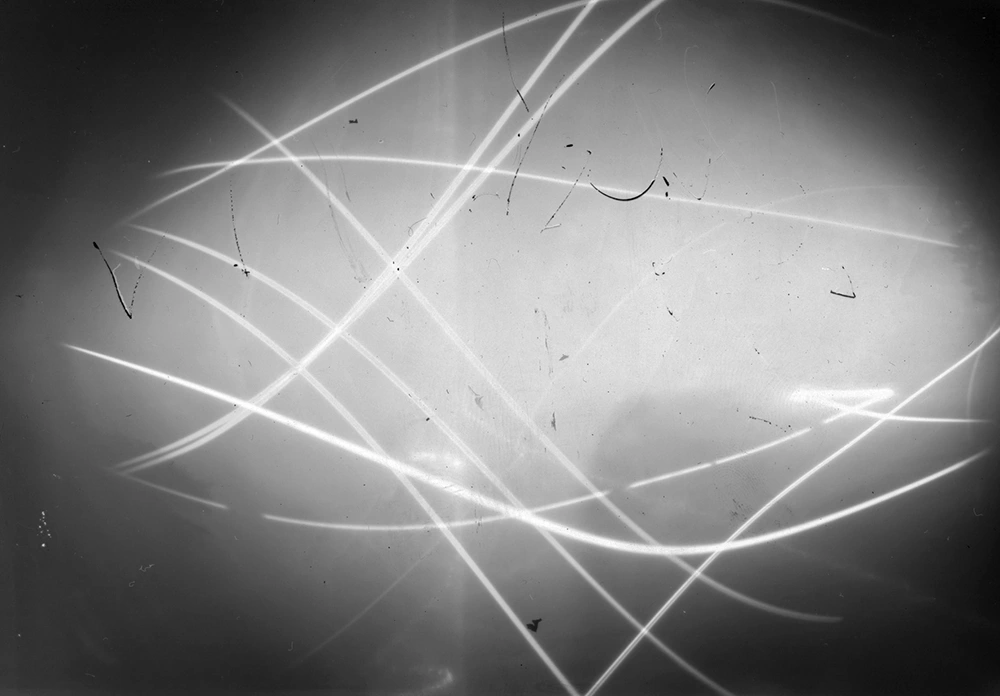
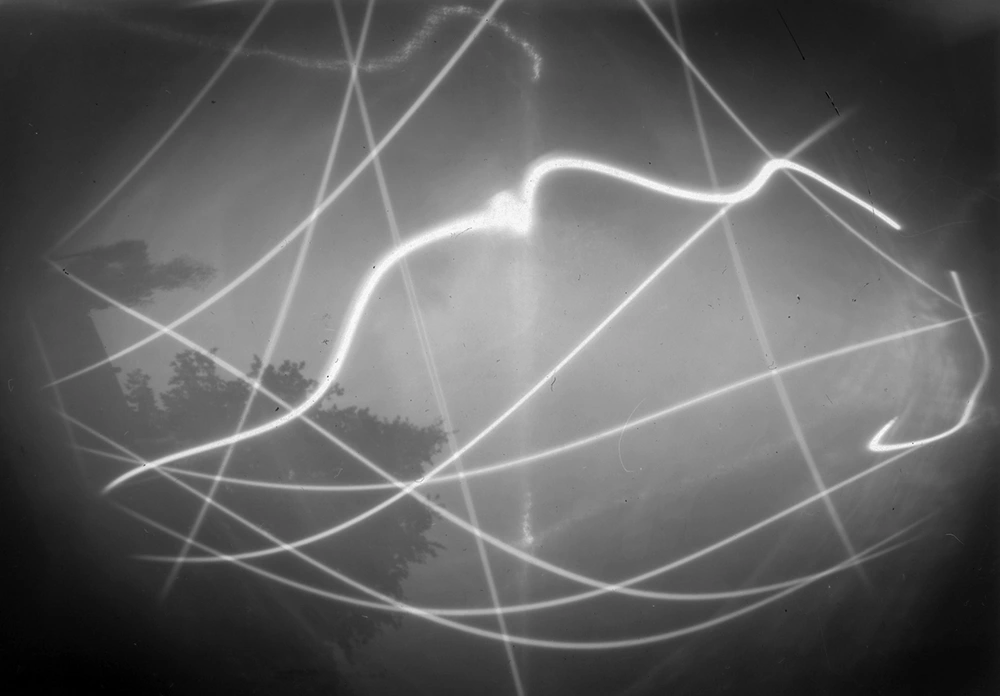
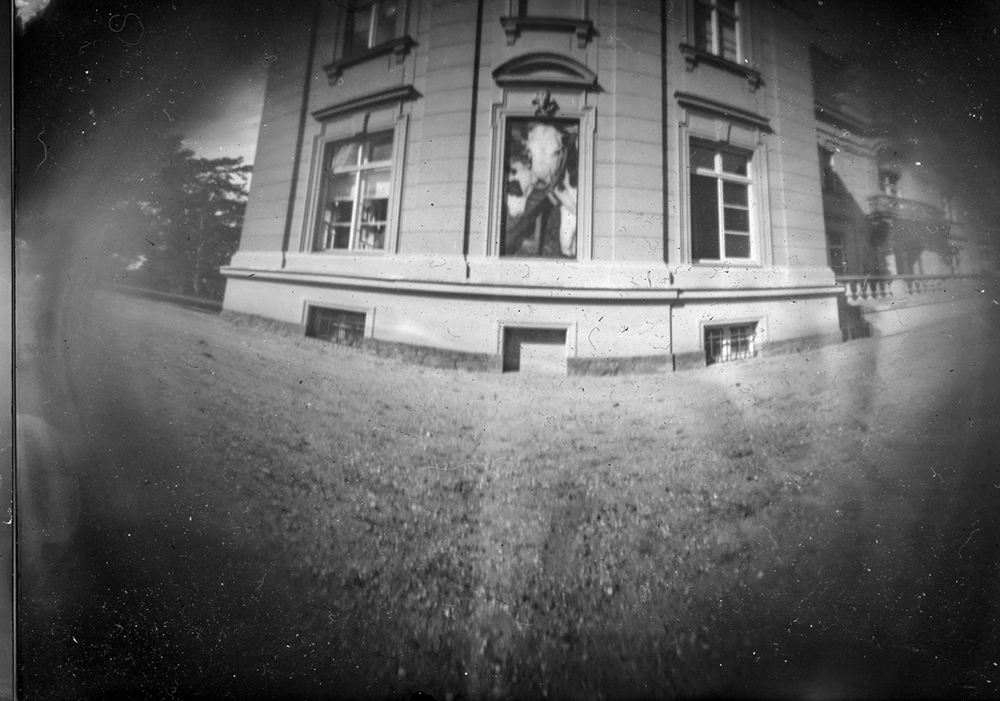
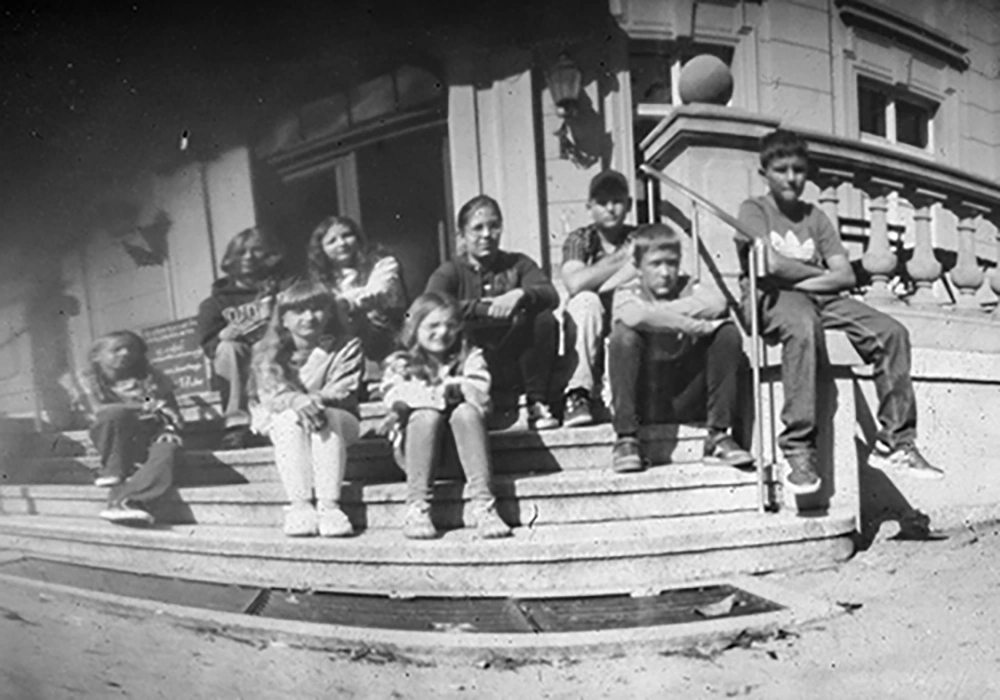
Finally, we also stepped into a real darkroom and learned the basics of black-and-white photography. This allowed us to have our first experience with pinhole photography. Each of us operated our own camera—made from a tin can—independently. We took portraits, views of the park, the museum, and the castle, as well as whimsical images of the sun captured during dynamic movement.
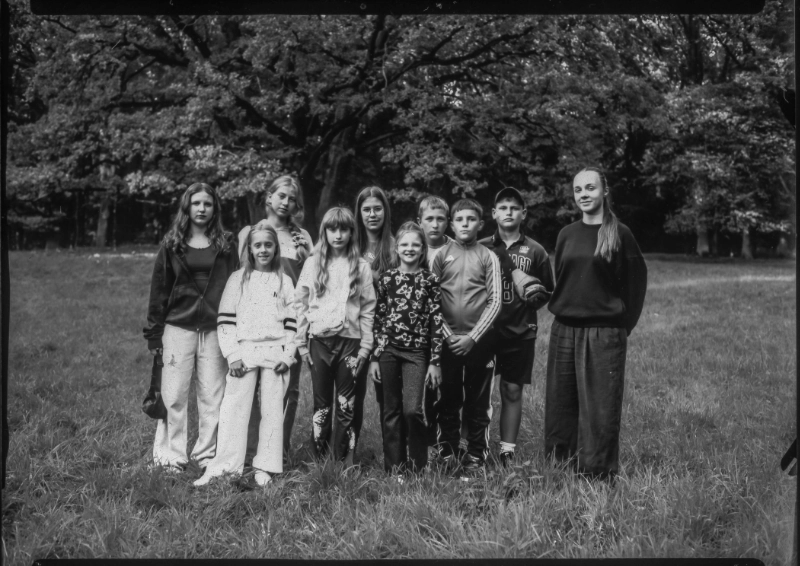
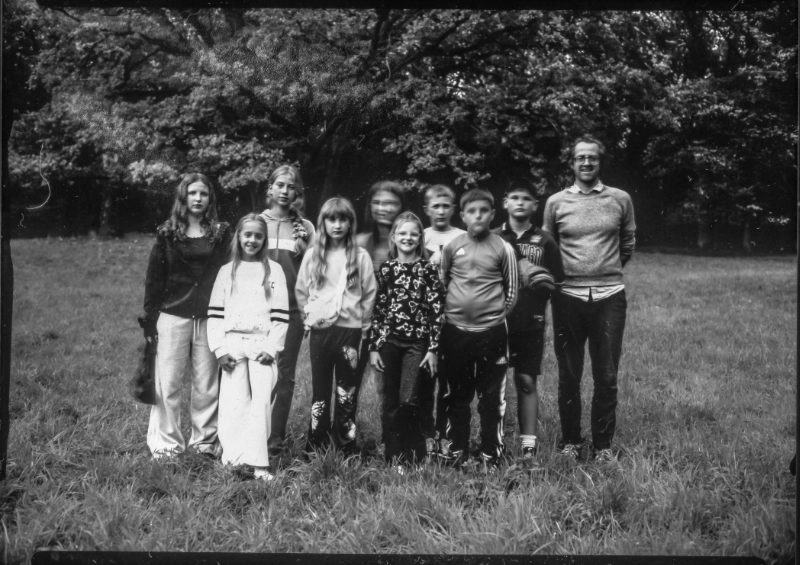
Our next experiment involved working on a photo story. Each team developed its own story based on the photos they had taken and turned it into a small book. To wrap up our experiments, we posed together for a portrait. The photo was taken with an old wooden camera—and in the picture, we look like figures from 100 years ago.
Photography Club
Participants: Amelie, Anastazja, Charlotte, Hania, Jordan, Lennox, Magda, Niklas, Tosia
Language Intermediary: Marta
Instructor: Paweł
During this workshop, we explored the most archaic analog photography techniques imaginable.
On the first day, we explored how the human eye works and how it feels to walk through the park with our eyes covered. We even managed to take a “photo” with our own eyes: in the dark, we created a multicolored afterimage, which helped us understand how the eye perceives colors.
The next day, we experimented with camera-less photography. Using sunlight, we created extraordinary images from plants, sand, and stones we found, working with the lumen print technique. We repeated similar experiments using cyanotype, creating the blue images characteristic of this technique.
Finally, we also went into a real darkroom and learned the basics of black-and-white photography. This allowed us to begin our first experiments with pinhole photography. Each of us operated our own camera, which we had made from a tin can. We took portraits, views of the park, the museum, and the castle, as well as wild images of the sun, captured while moving dynamically.
Our next experiment involved working with a photo story. Each team used the photos they had taken to create their own story and put together a small book from it. To wrap up our experiments, we all posed together for a portrait. The photo was taken with an old, wooden camera—and in the photo, we look like people from 100 years ago.
cyanotype & lumen print
Pinhole camera
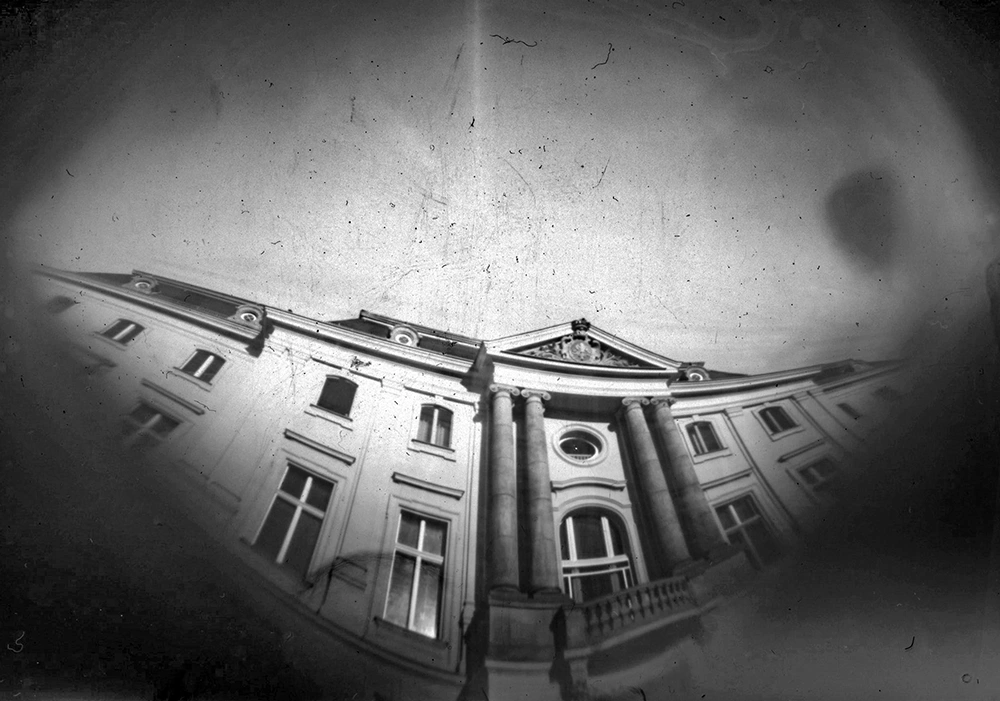
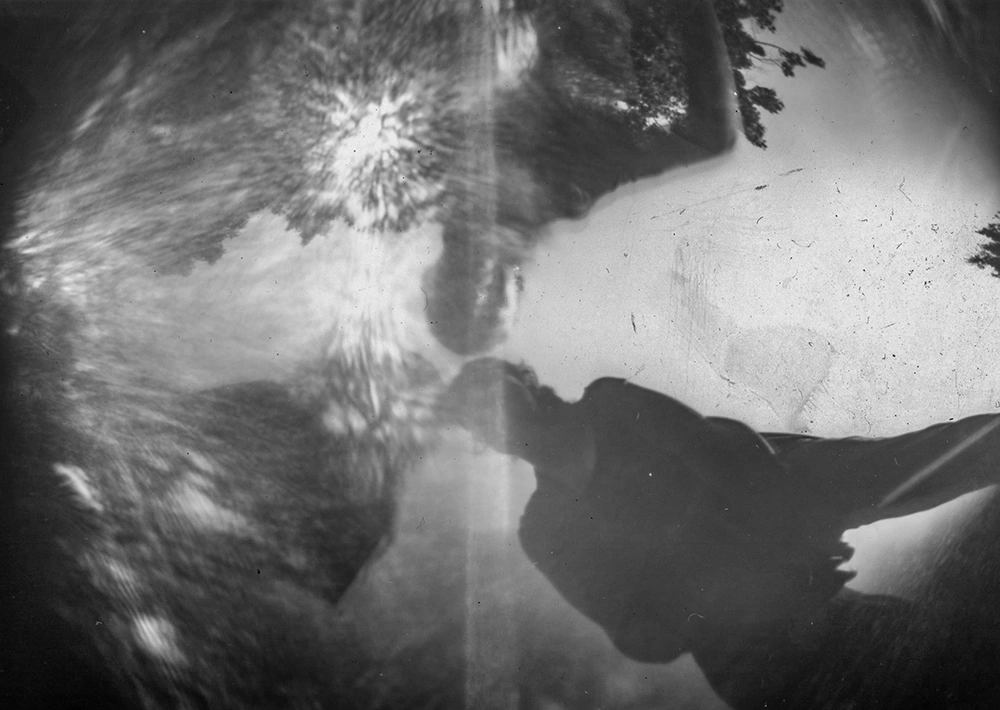
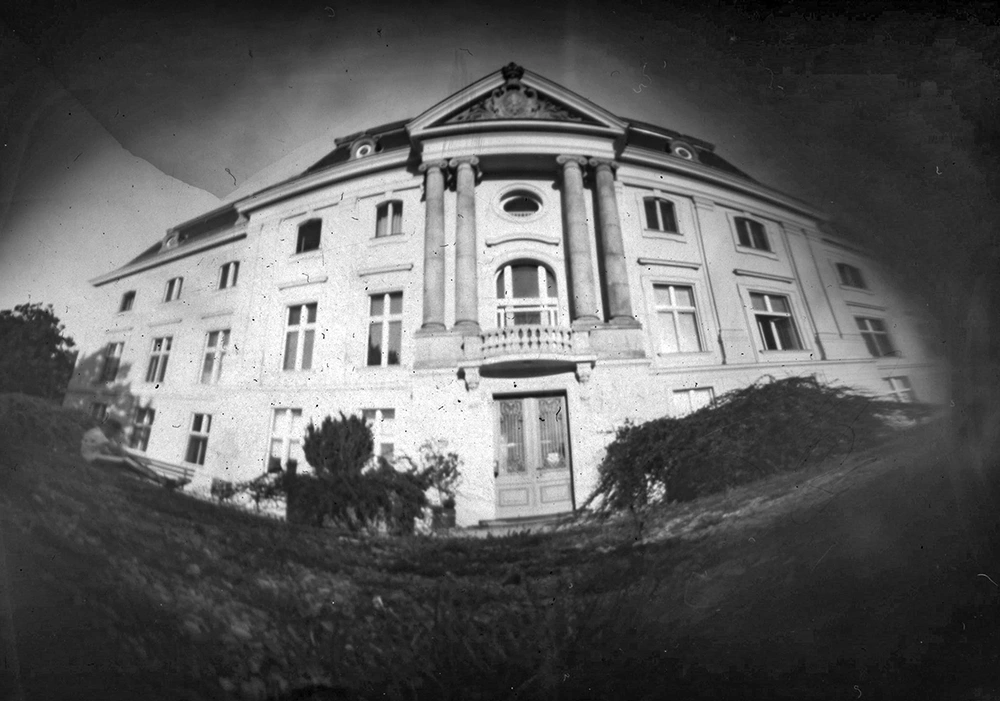
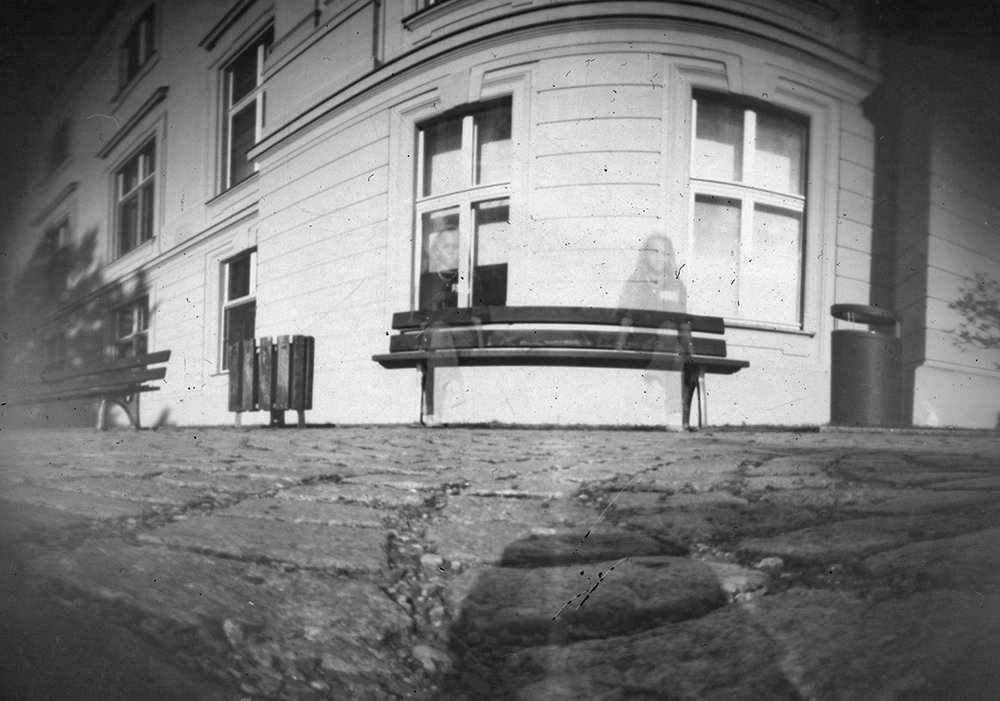
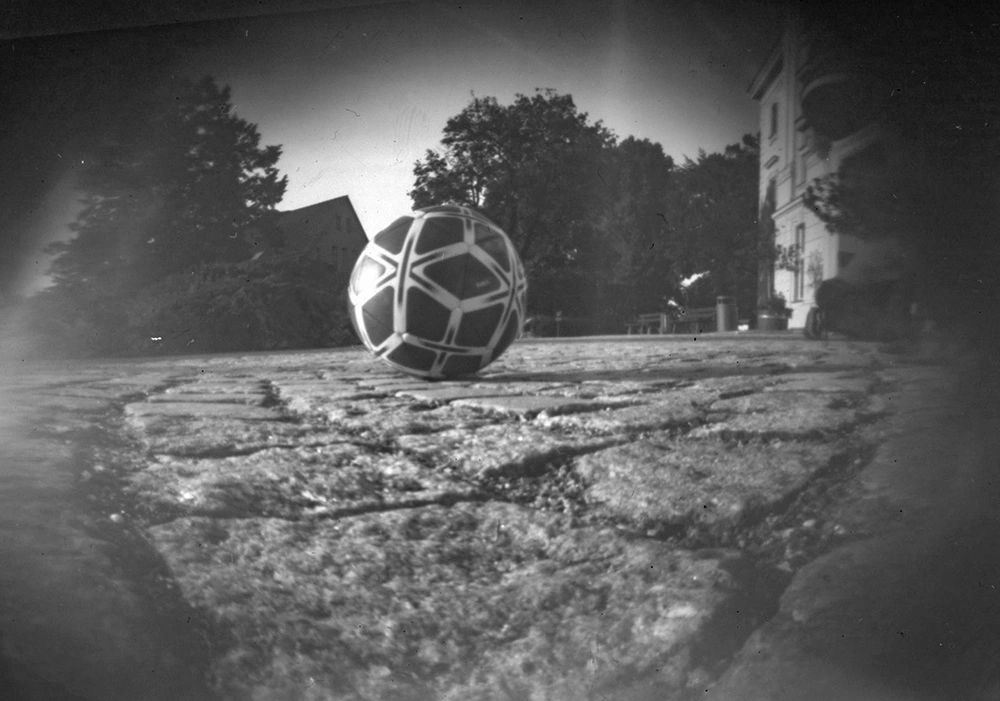
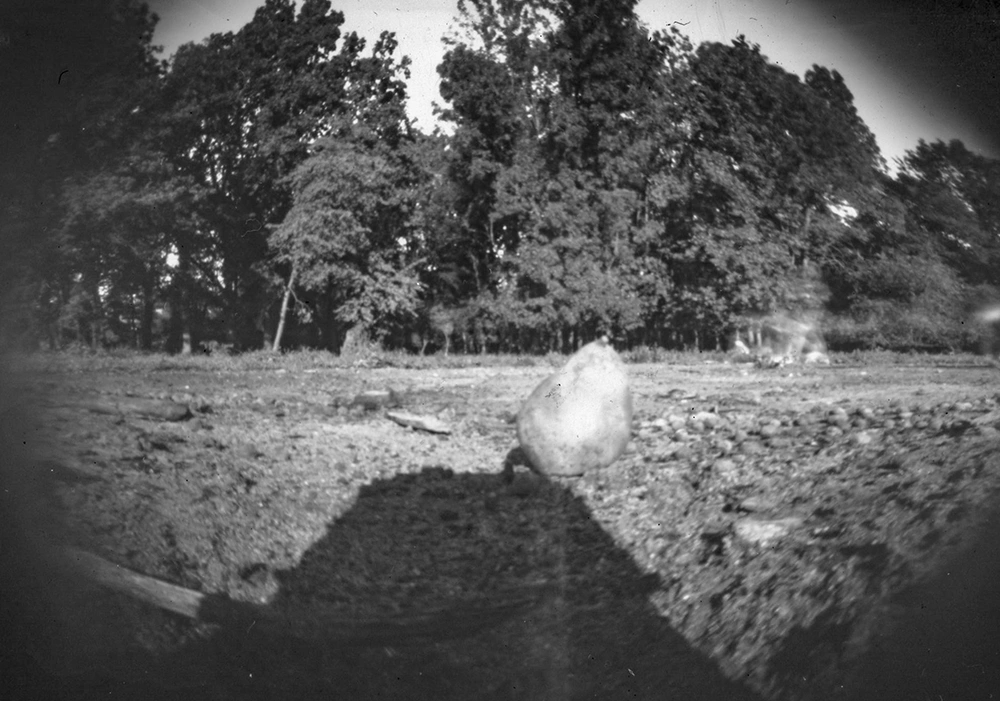

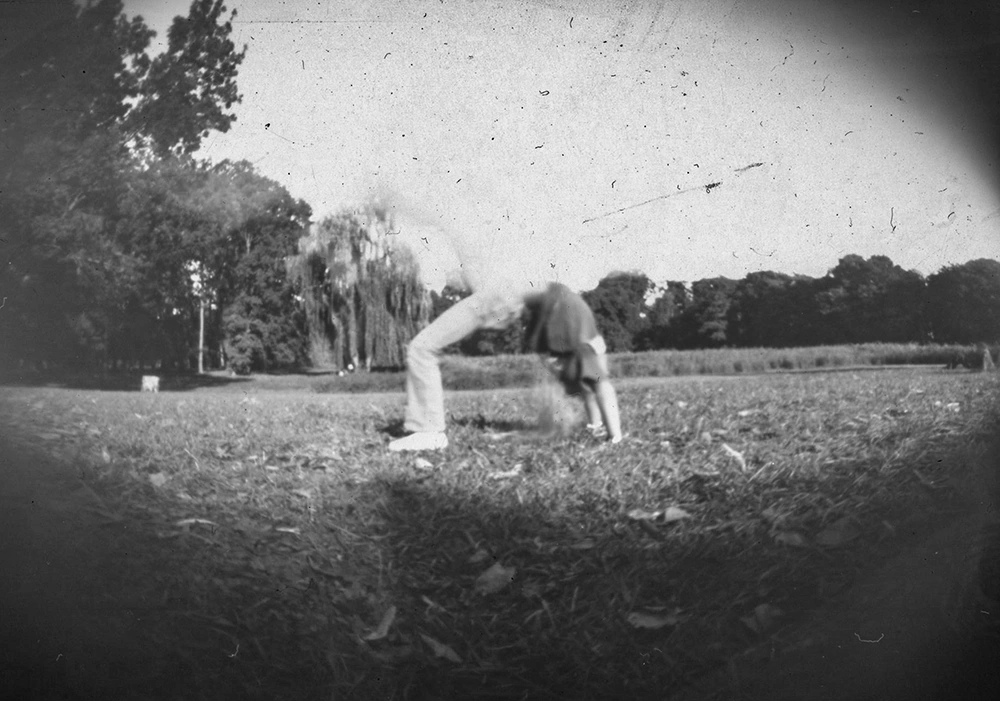
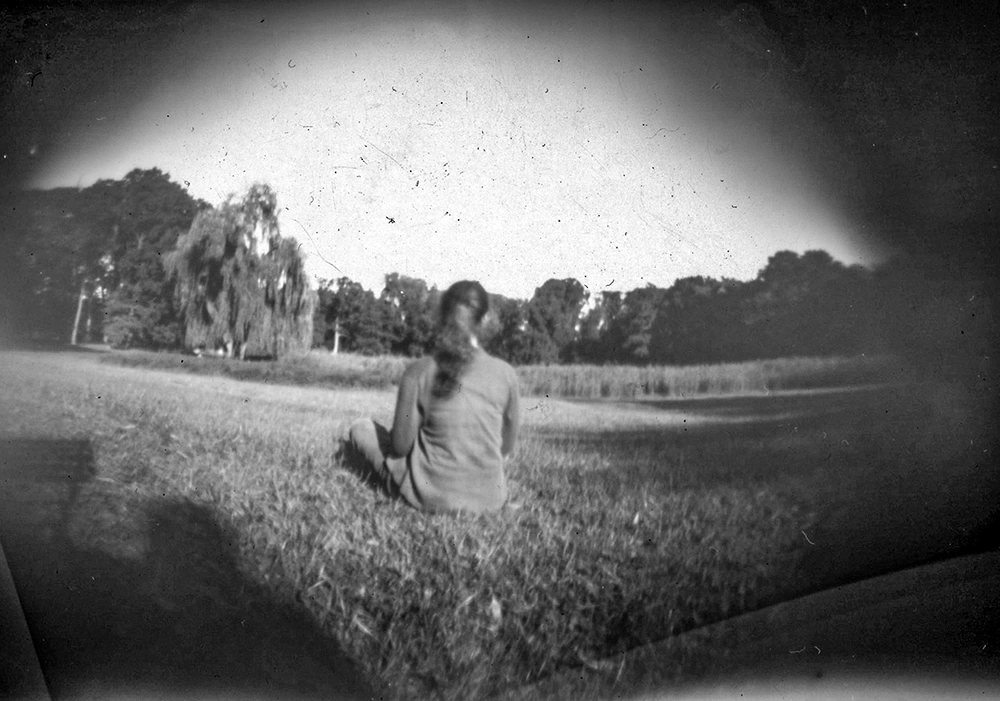
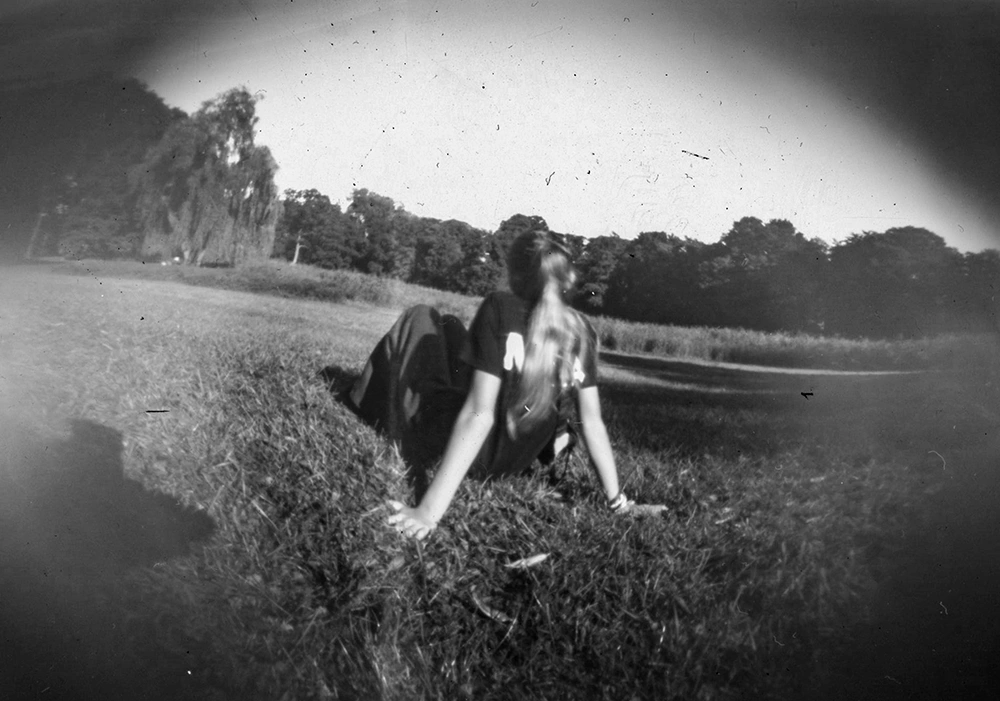
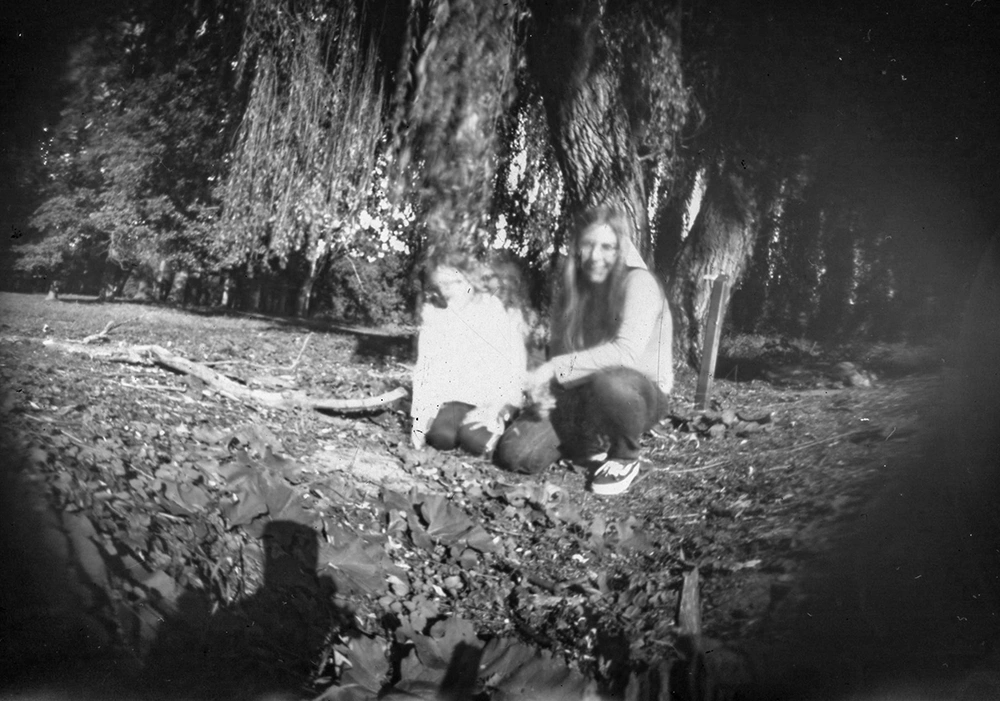
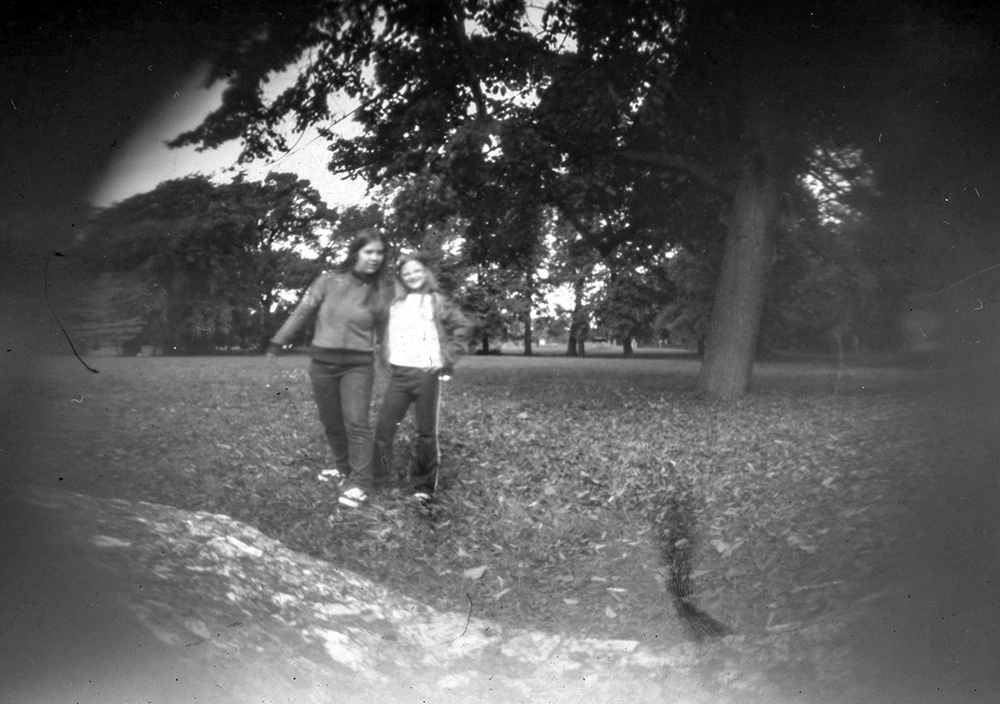
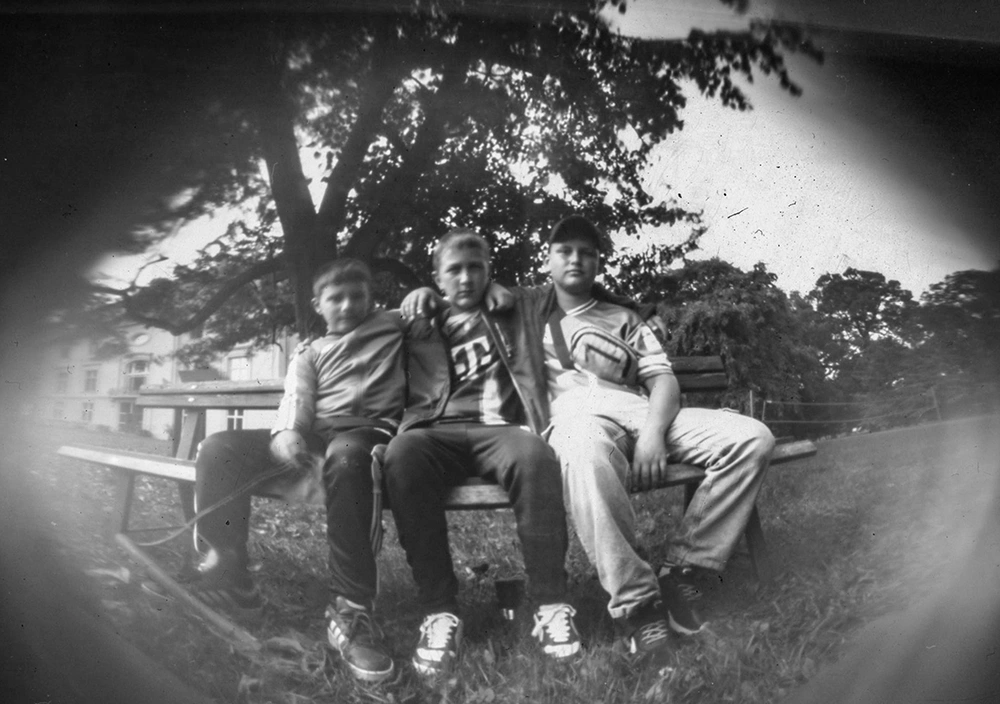
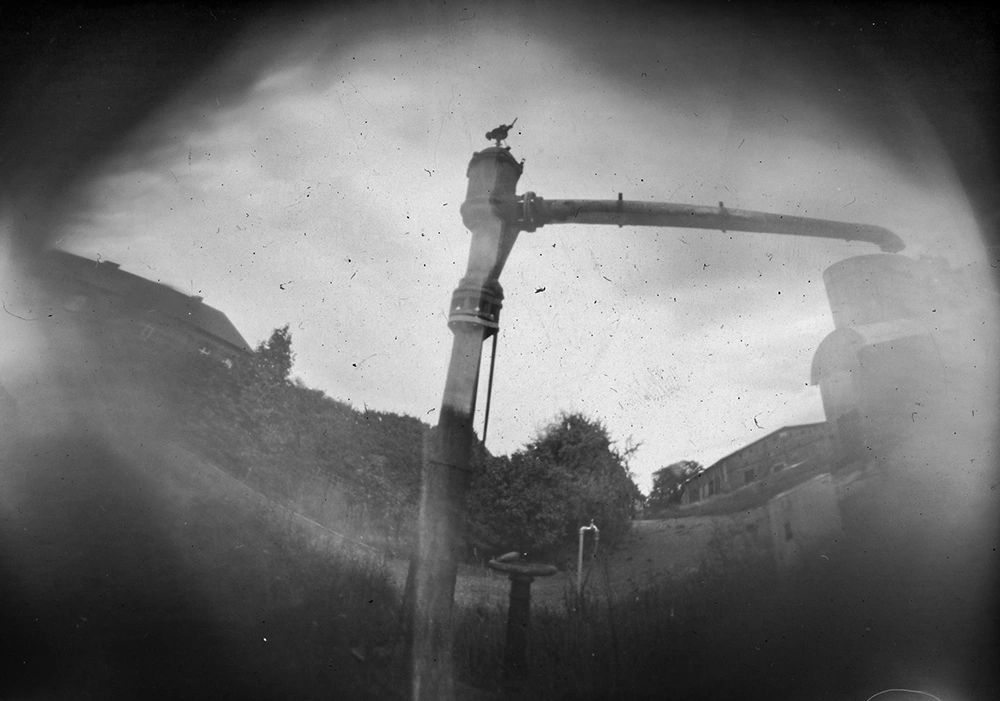
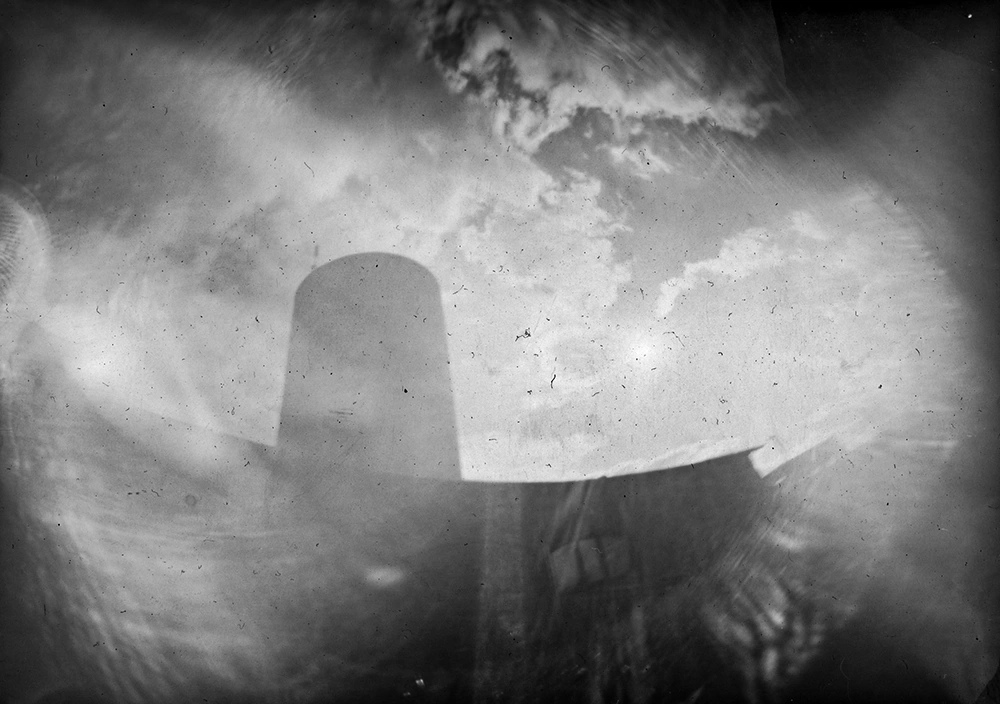
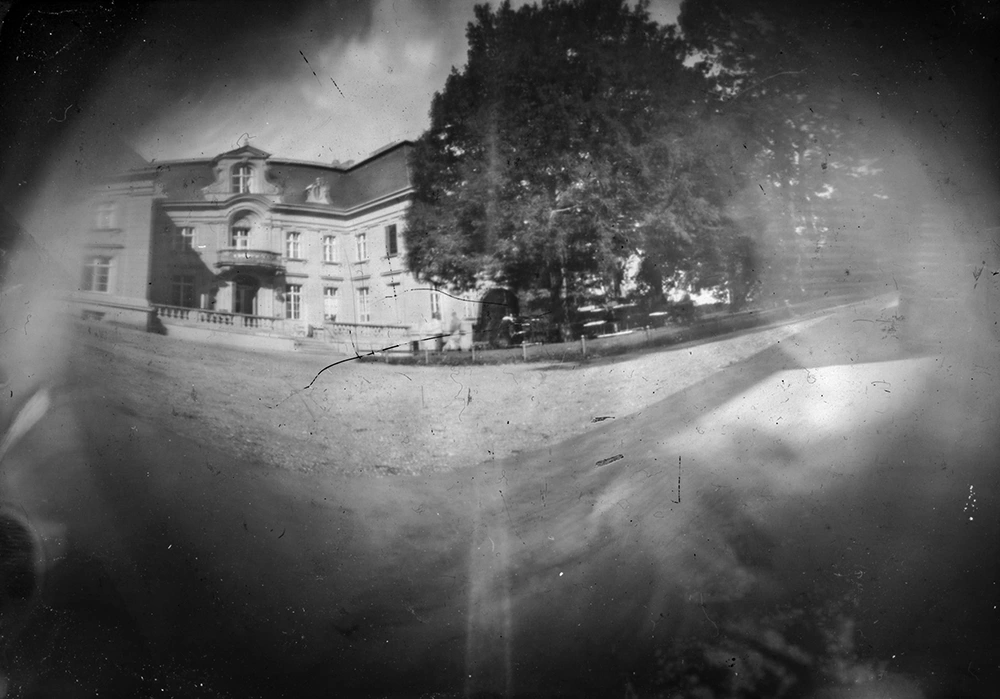
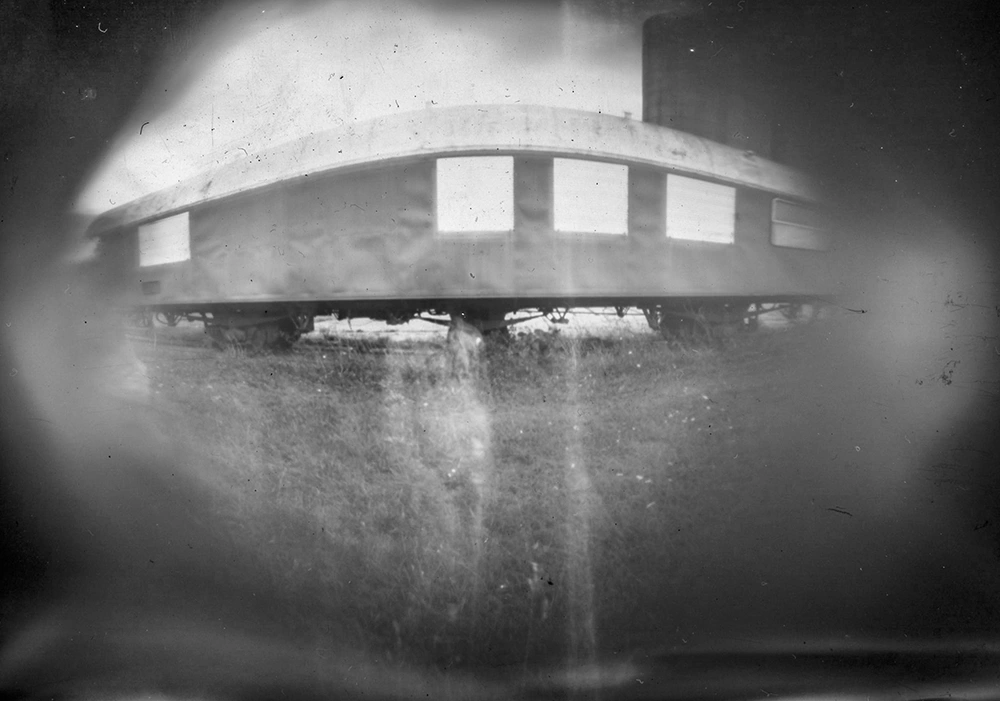
vintage camera
Audio workshop
Sugar is sticky.
Management: Johanna
Language Mediator: Marek
There were once eighteen sugar factories in the Oderbruch region. The last one closed in 1994. What remains: two silos, a few empty warehouses, and the voices of those who worked there. Twelve young people from Germany and Poland spent a week listening, researching, filming, taking photographs, recording sounds, and editing. The result is not a documentary, but a collage: chains of words that become music. The sounds of machinery from an old archival film. A man recounting how, at night, he would listen to the rhythm of the lime kiln to check if everything was all right in the factory. The night in March 1947 when the dam broke and the workers carried 1,100 sacks of sugar nine meters uphill until they could go no further. And in between, the young people themselves. Could they live without sugar? „Sugar sticks,“ they used to say at the factory. By that, they meant that people stuck together.
Audiovisual collage, 11 minutes, German and Polish, featuring footage from the former Thöringswerder sugar factory (1867–1994)
Sugar clay.
Language Intermediary: Marek
Instructor: Johanna
There were once eighteen sugar mills in the Oderbruch region. The last one closed in 1994. What remains are two silos, a few empty warehouses, and the voices of those who worked there
Twelve young people from Germany and Poland spent a week listening, conducting research, filming, taking photographs, recording sounds, and editing. The result was not a documentary film, but a collage: chains of words that transform into music. The sounds of machines from an old archival film. A man recounting how, at night, he would listen to the rhythm of the lime plant to check if everything was all right at the factory. A night in March 1947, when the dam burst and the workers carried 1,100 sacks of sugar nine meters higher until they had no strength left. And in the midst of it all, just young people. Could they live without sugar?
„Cukier klei”—that’s what they used to say at the factory. What they meant was that people stuck together.
Audiovisual collage, 11 minutes, in German and Polish, featuring recordings from the former Thöringswerder sugar factory (1867–1994).
COMIC WORKSHOP GROUP / COMIC WORKSHOPS
Management: Karolina Chyżewska
Participants: Paul, Paula, Inka, Bogusz, Nikodem, Dima, Lotta, Sura, Anni, Moritz
Inspired by the Thöringswerder sugar factory, the children embark on various adventures. In an old, abandoned factory, ghosts appear, or pieces of sugar turn into little creatures. A king wants to start his own sugar factory and ends up overeating. Will they have to defeat a giant Coke bottle—or perhaps overthrow the king and steal the banana bazooka? Or will the Zuckis save them at the last moment from a giant monster? Or maybe we’ll all go together to a very special pastry shop? Welcome to our sugar-sweet and exciting world of comics.
Host: Karolina
Chyżewska Participants: Paul, Paula, Inka, Bogusz, Nikodem, Dima, Lotta, Sura, Anni, Moritz
Inspired by the sugar factory in Thöringswerder, the children embark on all sorts of adventures. Ghosts appear in the old, abandoned factory, and sugar cubes turn into little creatures. A certain king wants to start his own sugar factory and is obsessed with it. We have to defeat a giant bottle of Coke—or maybe overthrow the king and steal the banana bazooka—or will the candies save us at the last minute from a huge monster? Or maybe we’ll all go together to a unique candy shop? Welcome to our sweet and exciting world of comics.
The German-Polish meeting "European Cultural Heritage" took place as part of a cooperation project with the following partners:
Cooperation Partners / Project Partners:
- Trebnitz Castle Education and Community Center, Inc.
- Oderbruch Museum Altranft
- Schools in the municipalities of Letschin and Pszczew
Funded by / Co-financed by:
- Municipal Working Group Cultural Heritage Oderbruch
- German-Polish Youth Foundation
- MBJS Brandenburg
.